Bereits die Römer schätzten das Wasser der Quellen in den Vogesen, als die Hunnen und German einfielen, war allerdings Schluß damit. Contrexéville ist heute wieder für seine Thermalquellen bekannt und auch durch das Mineralwasser, das unter der Marke Contrex vermarktet wird. Bis zum 1. Weltkrieg war es ein geschätzer Kurort, in dem sich der Adel die Trinkgläser in die Hand gab. Nach dem Krieg hat sich der Ort nie wieder erholt. Die Sache mit den Germanen hat sich erneut als Nachteil erwiesen.
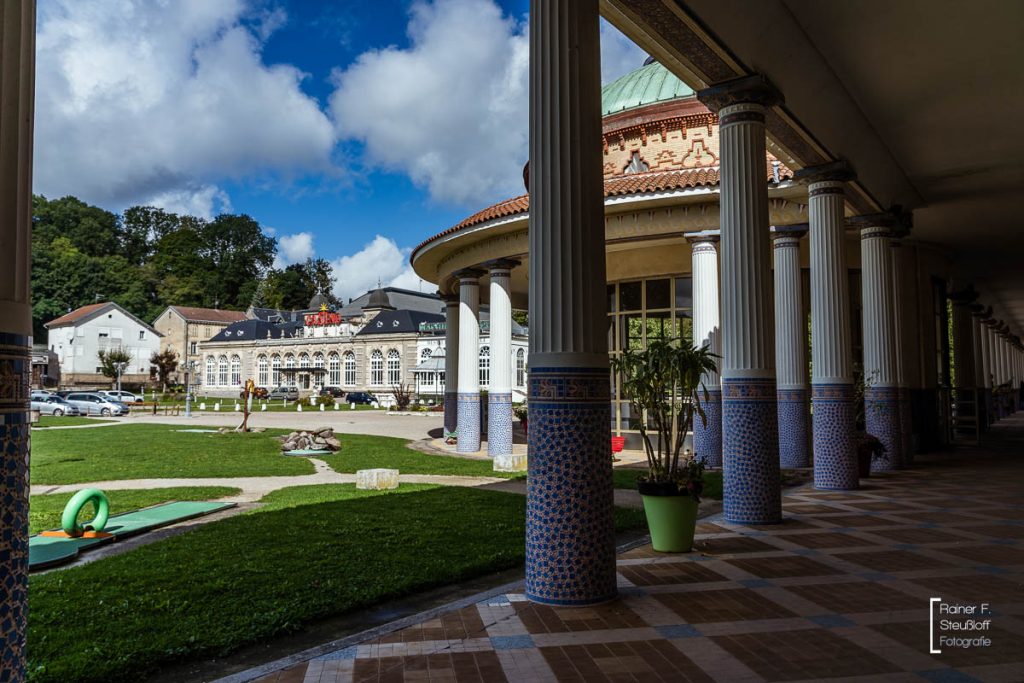
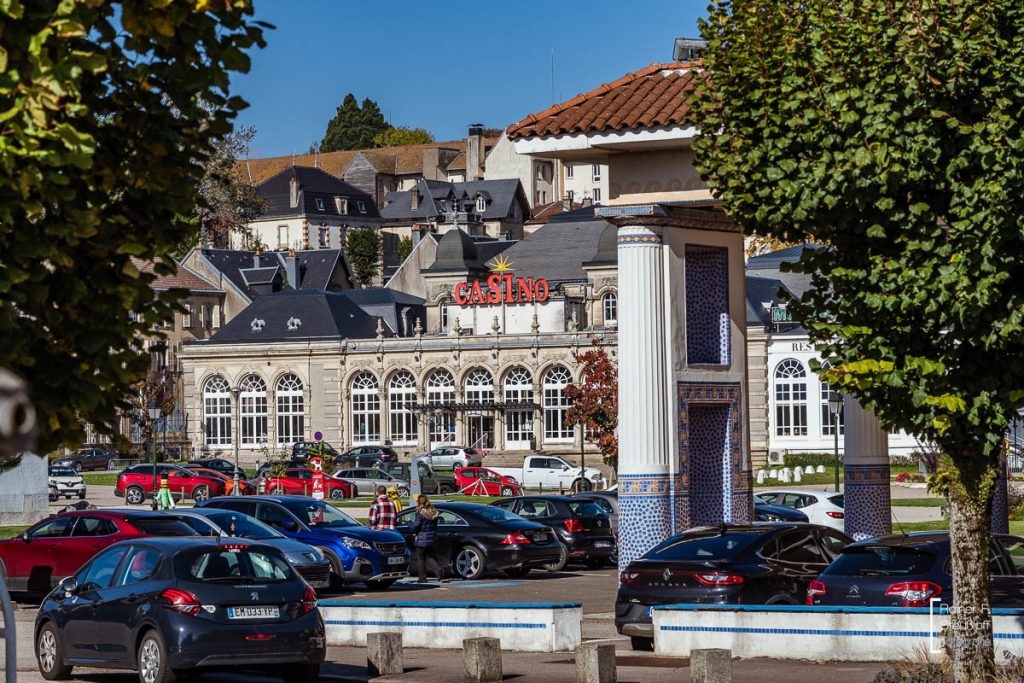
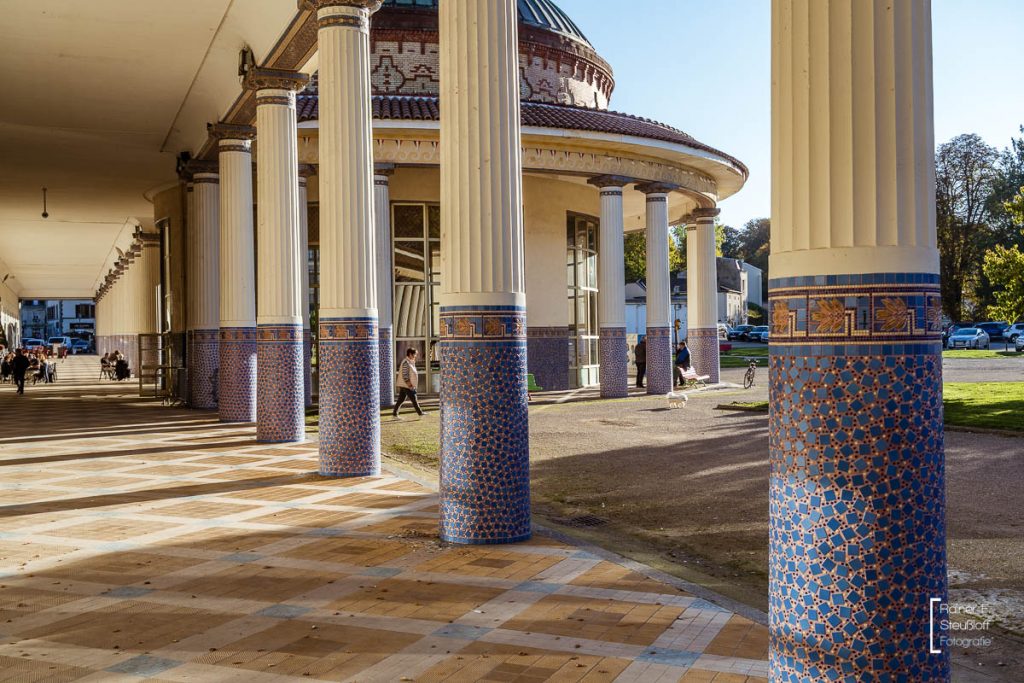
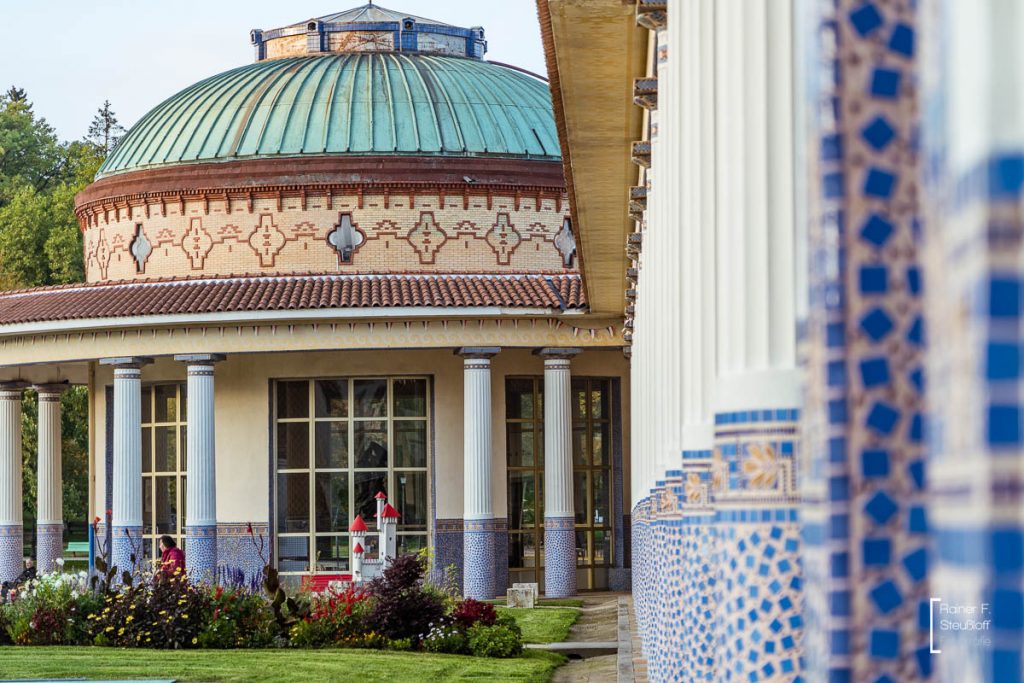
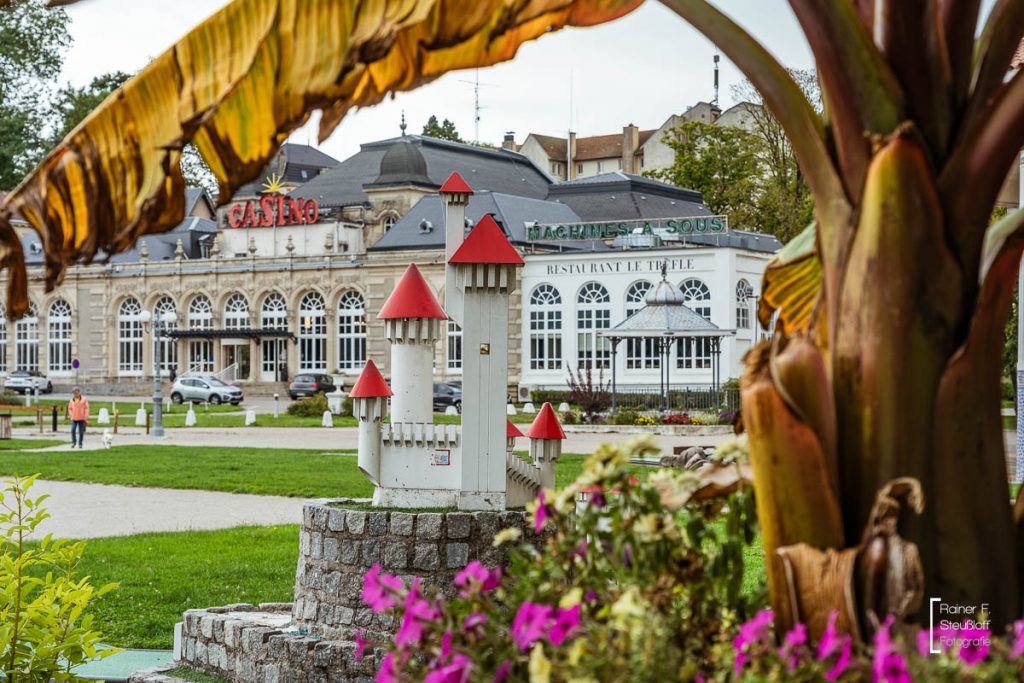
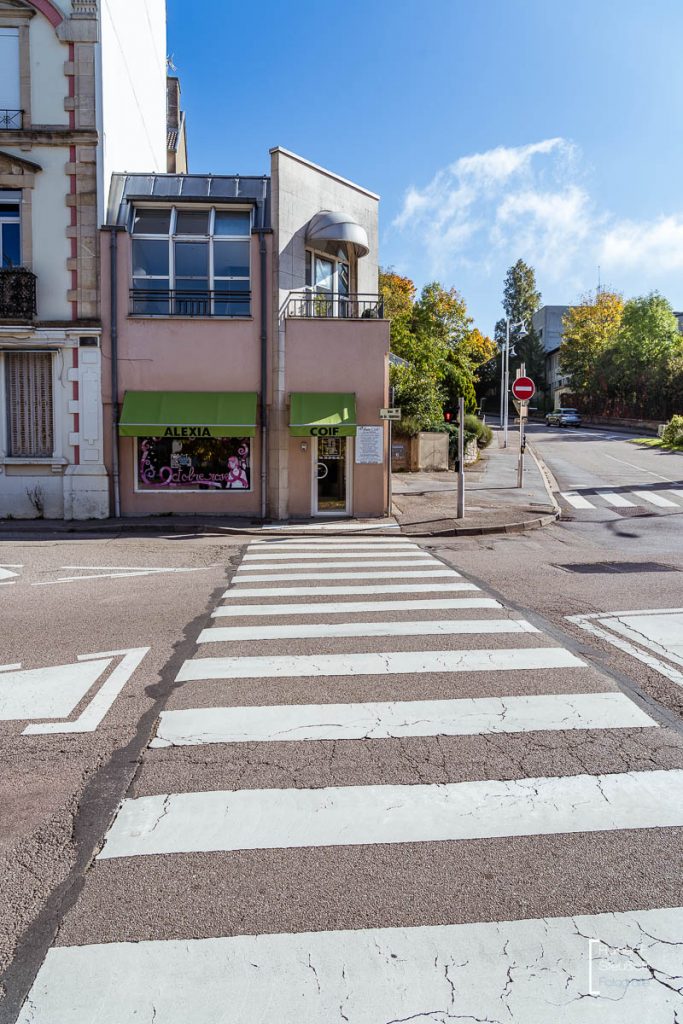
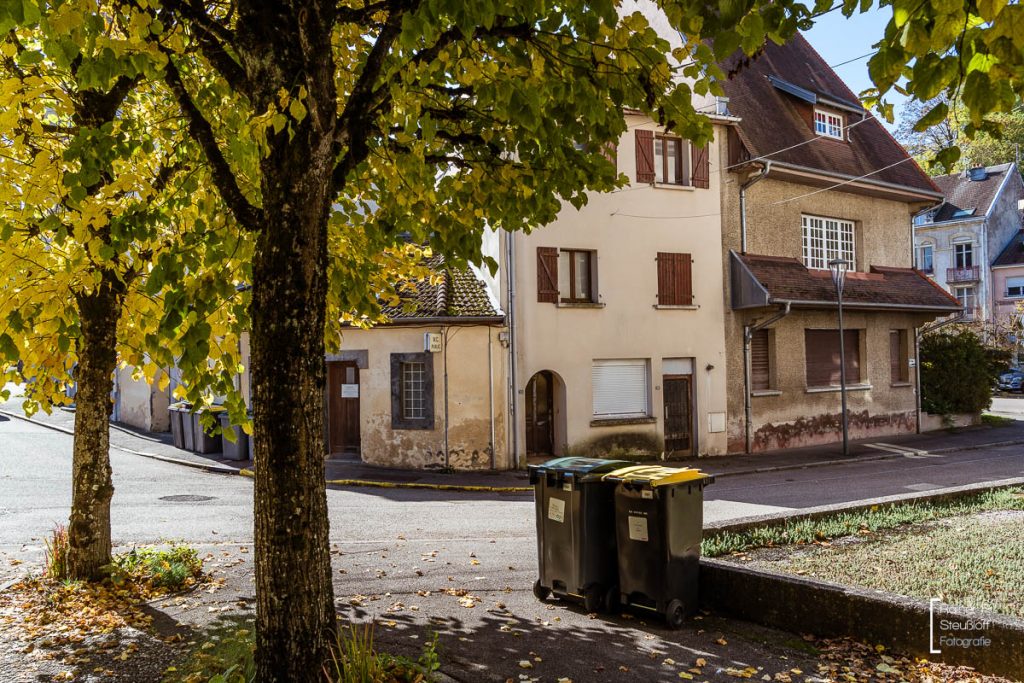
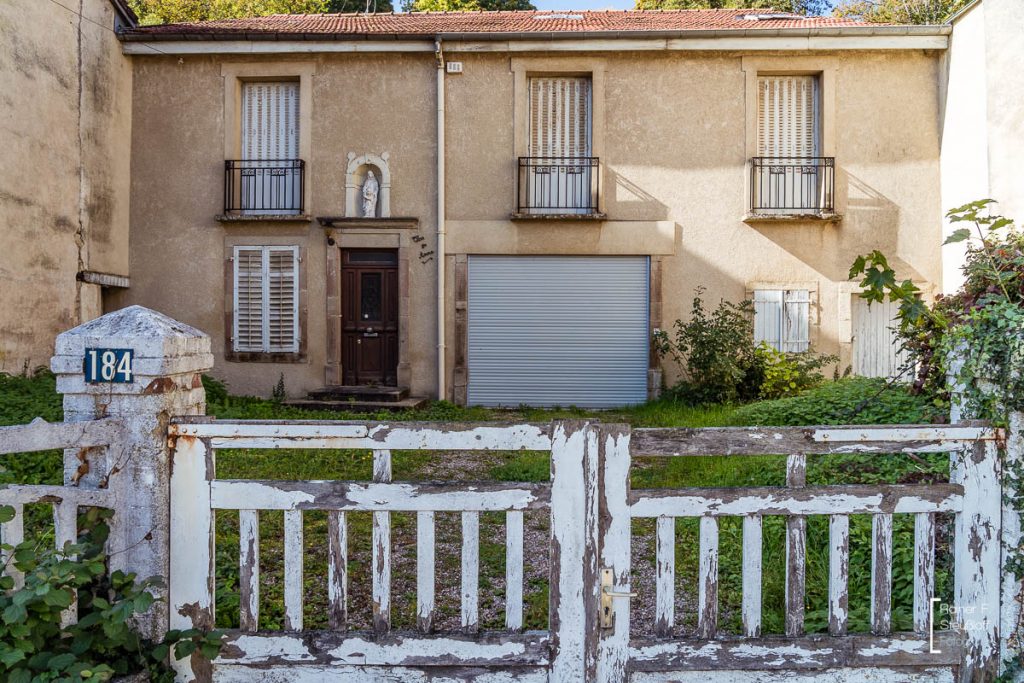
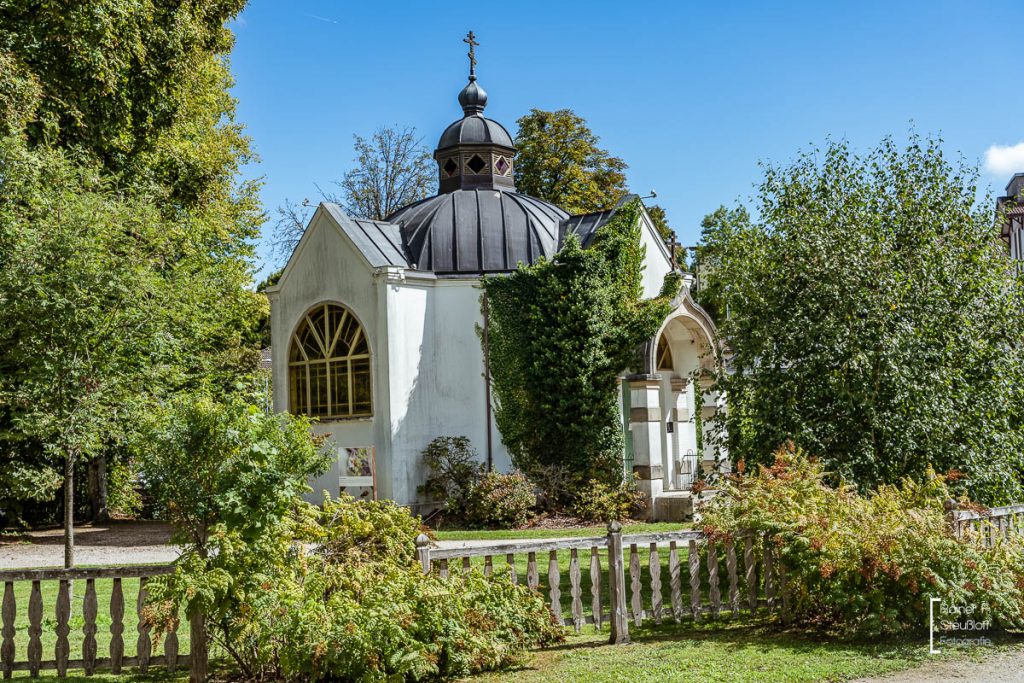
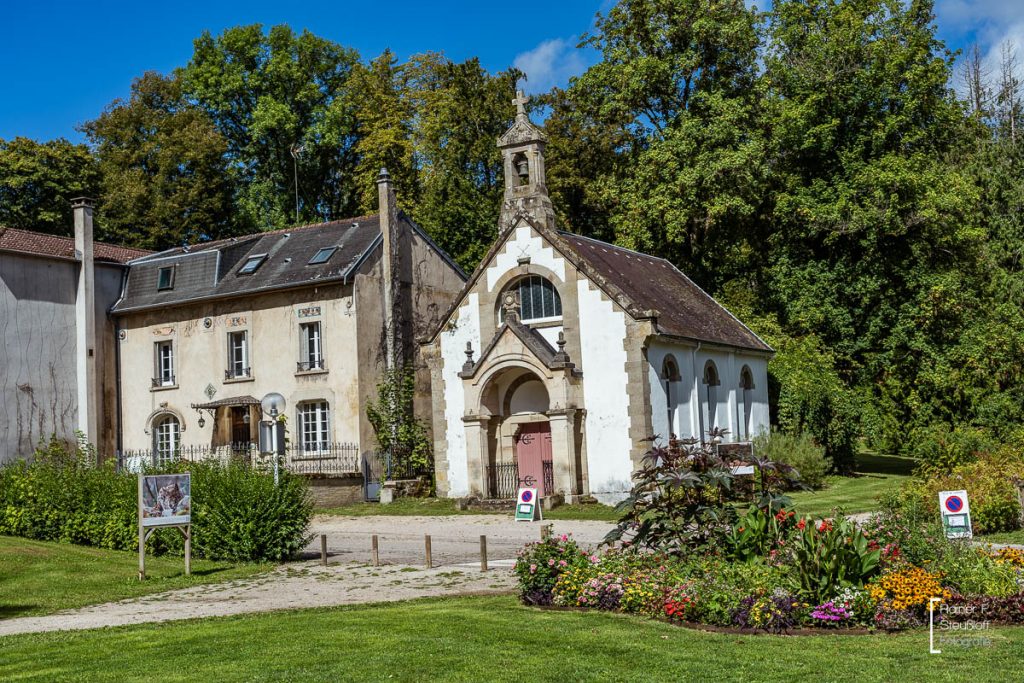
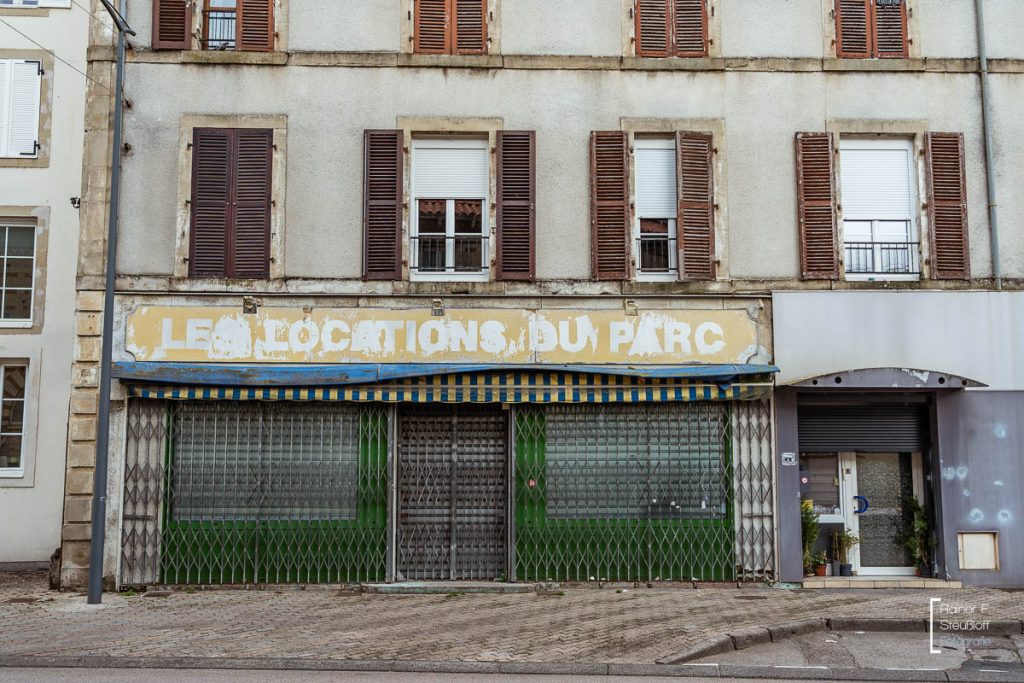
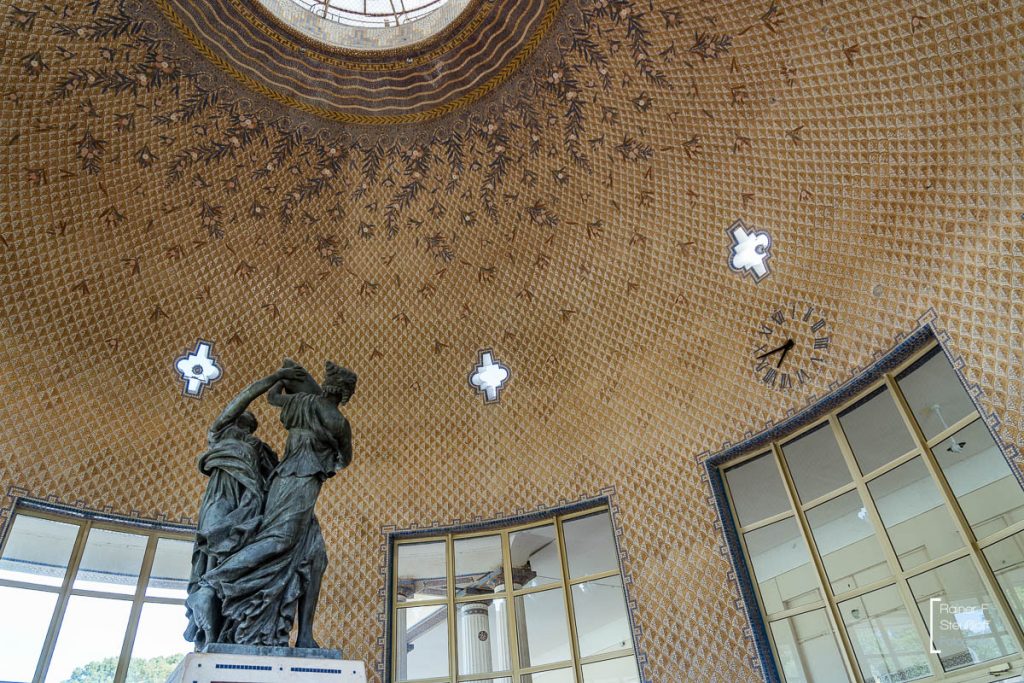
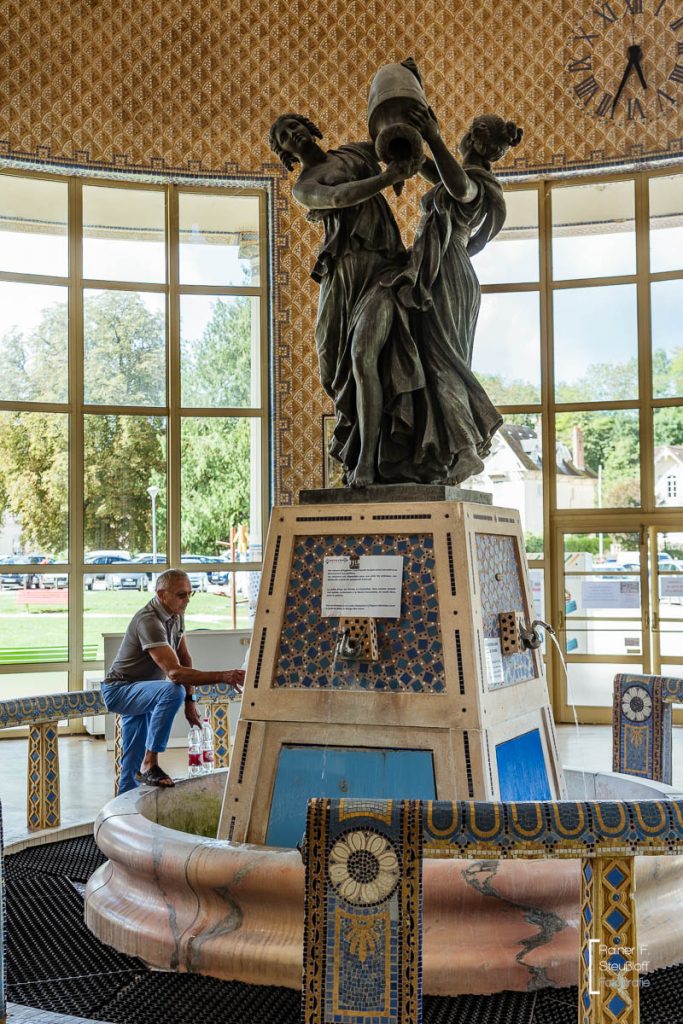
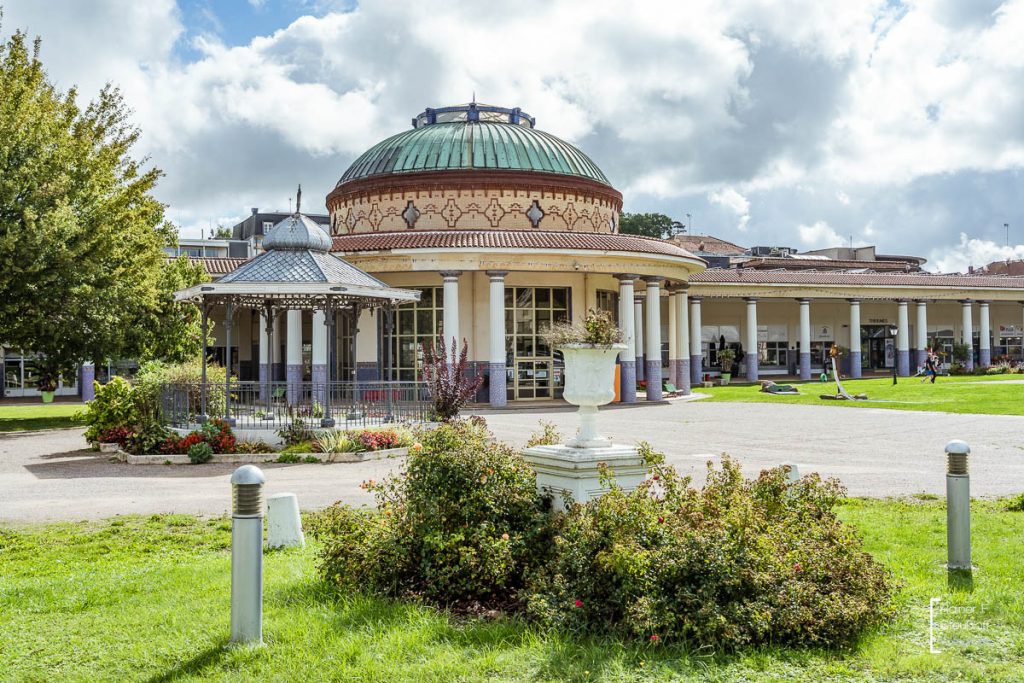
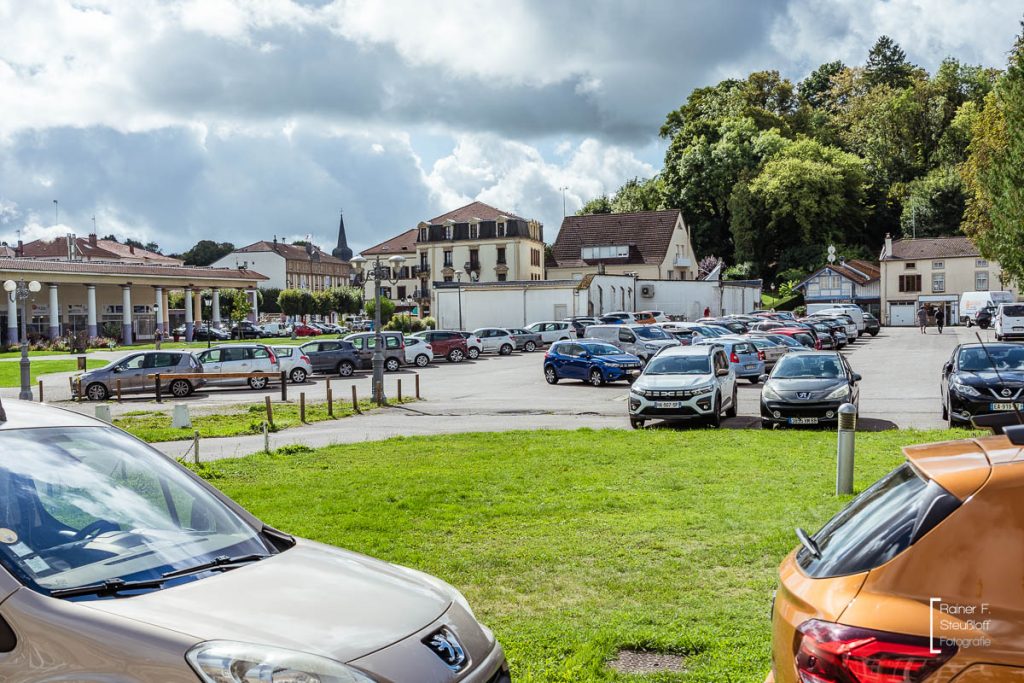
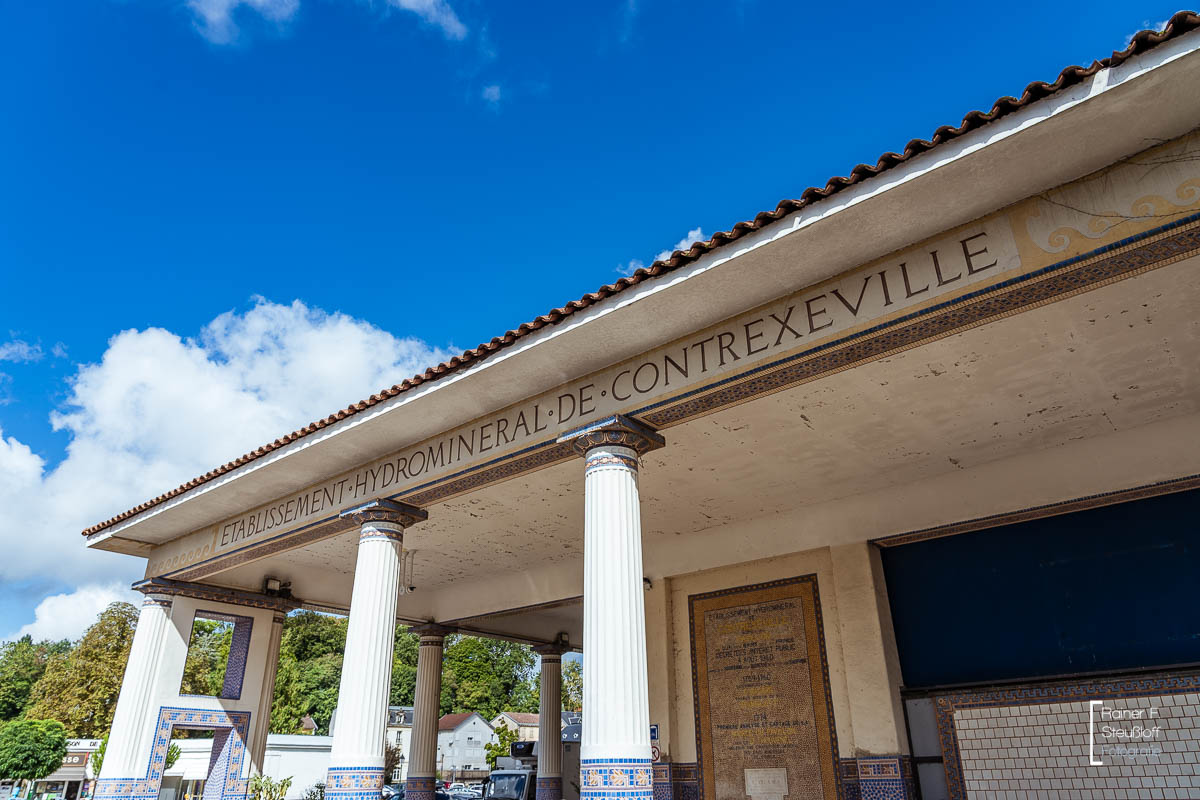
Ein Zeugnis ist La Rotonde, der neue Pavillon im Art Nouveau Stil. Sie beherbergt eine Quelle und den Pavillon mit dem Trinkbrunnen. Eine weitere Quelle liegt außerhalb an einen Wand. Die Rotunde ist über den Flüsschen Vair gebaut. Das Stadtviertel drumherum mit dem Kurhotel wurde abgerissen. Übrig blieb der Eingangsbereich und ein Parkplatz. Heute macht die Stadt einen etwas herunter gekommenen Eindruck.
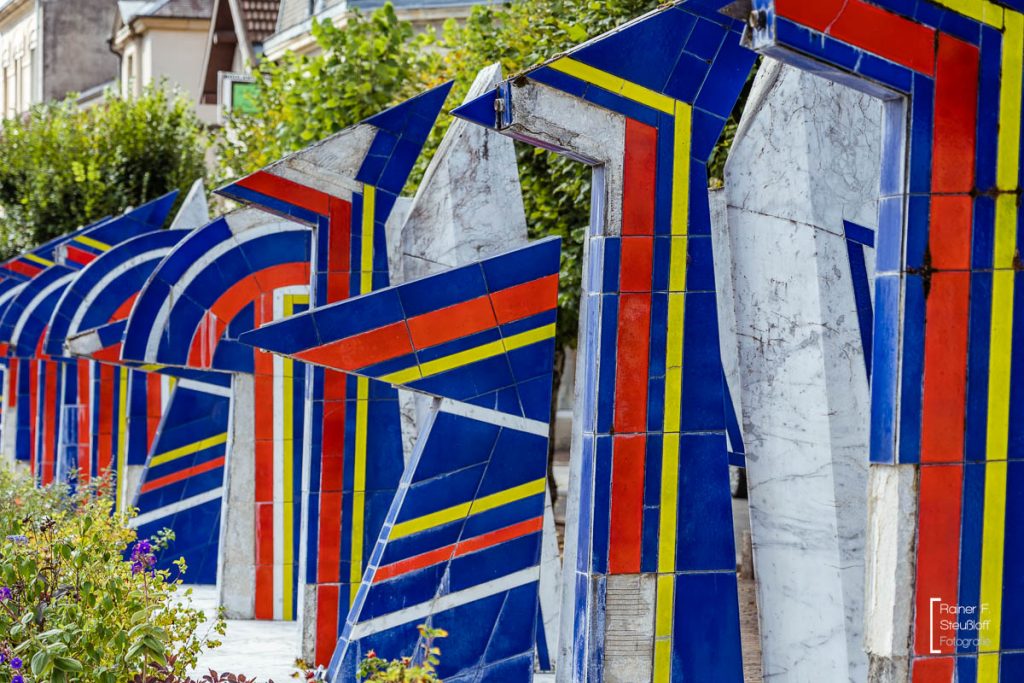
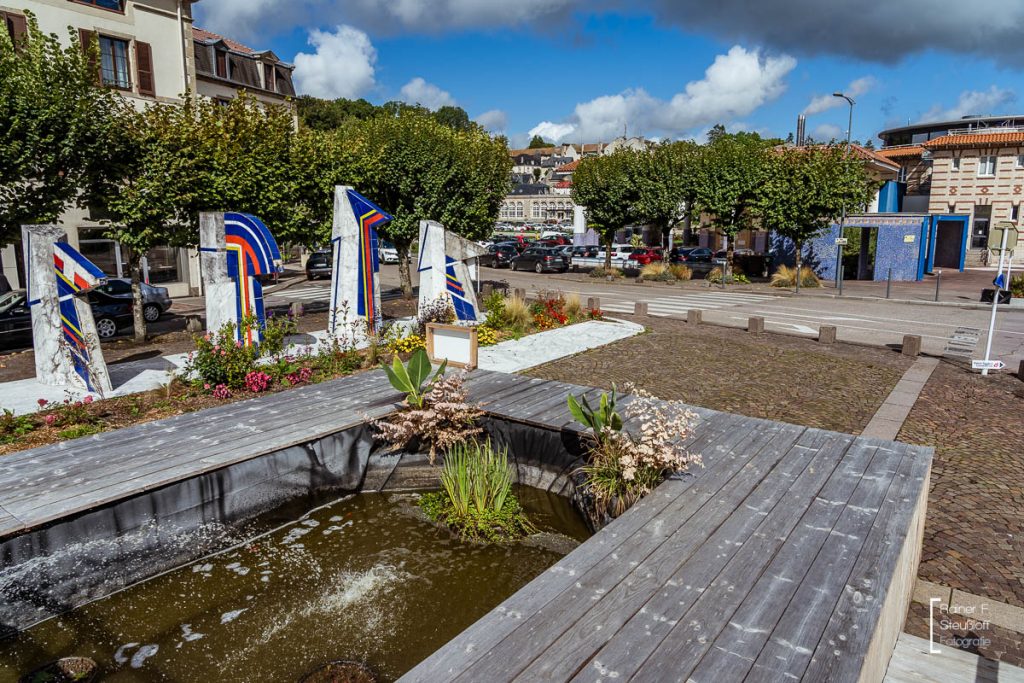
Ende der 80er Jahre traf die damalige Stadtverwaltung die Entscheidung, ein Stadtzentrum zu schaffen, das die zeitgenössische Gesellschaft, ihren Lebensstil und ihre urbanen Bestrebungen widerspiegelt. Dazu beauftragte sie mehrere Architekten, darunter Nicolas Normier, mit der Umsetzung eines avantgardistischen Projekts rund um die Themen Wasser, Natur und Mineralien. So entstand das Projekt „Eaux Fortes” (Starke Gewässer) und insbesondere der Platz mit den 24 blauen Brunnen. Der rechteckige, von Bäumen umgebene Platz besteht aus einem Boden aus Porphyrpflastersteinen und 24 Skulpturen aus Carrara-Marmor und emaillierter Lava mit einer Höhe von 2,5 bis 3,5 m, die Wasser in ein 80 m langes Becken aus weißem Marmor spritzen. Soweit die Stadtwerbung.
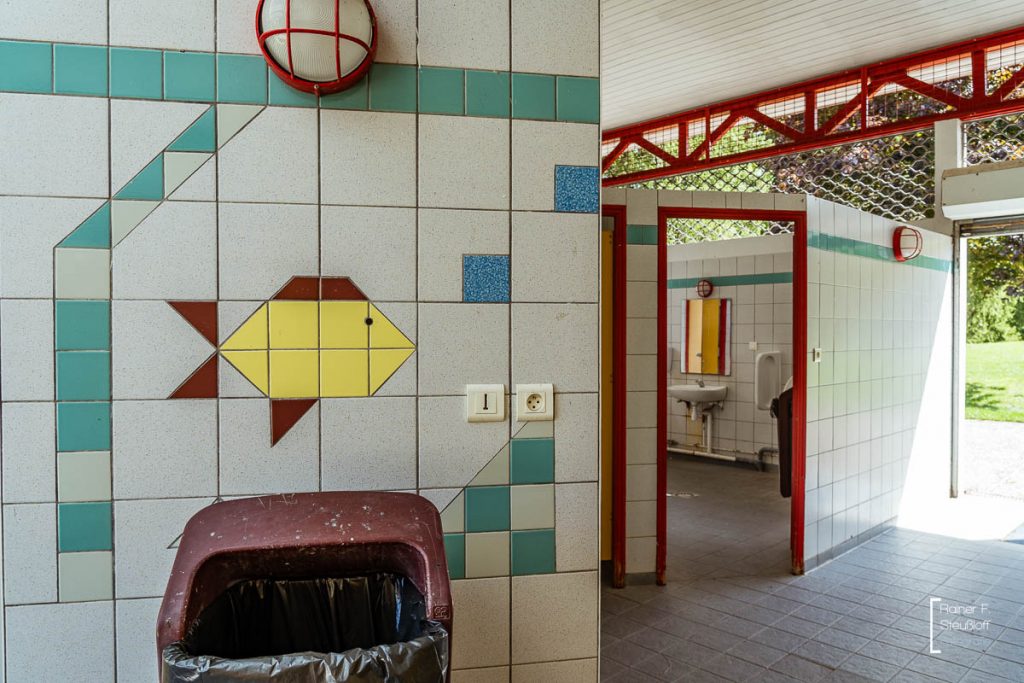
Übring geblieben sind abgeplatzte Fliesen, verrottete Steine, zugeschüttete Wasserspiele und eine verwahrloste Umgebung. Angeblich lag es an falschem Reinigungsmittel.
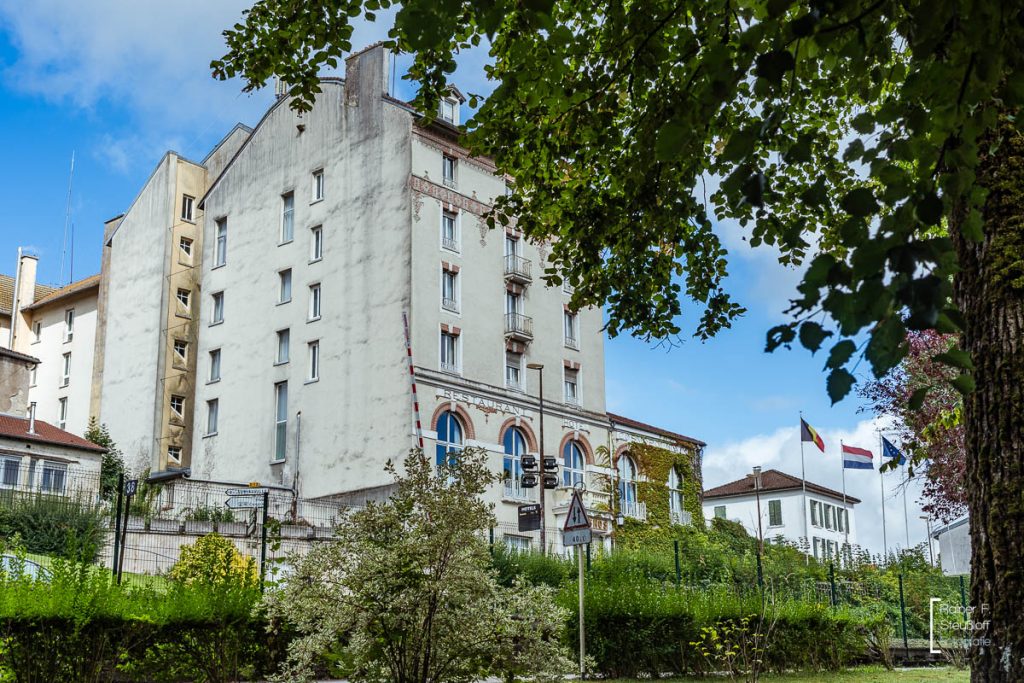
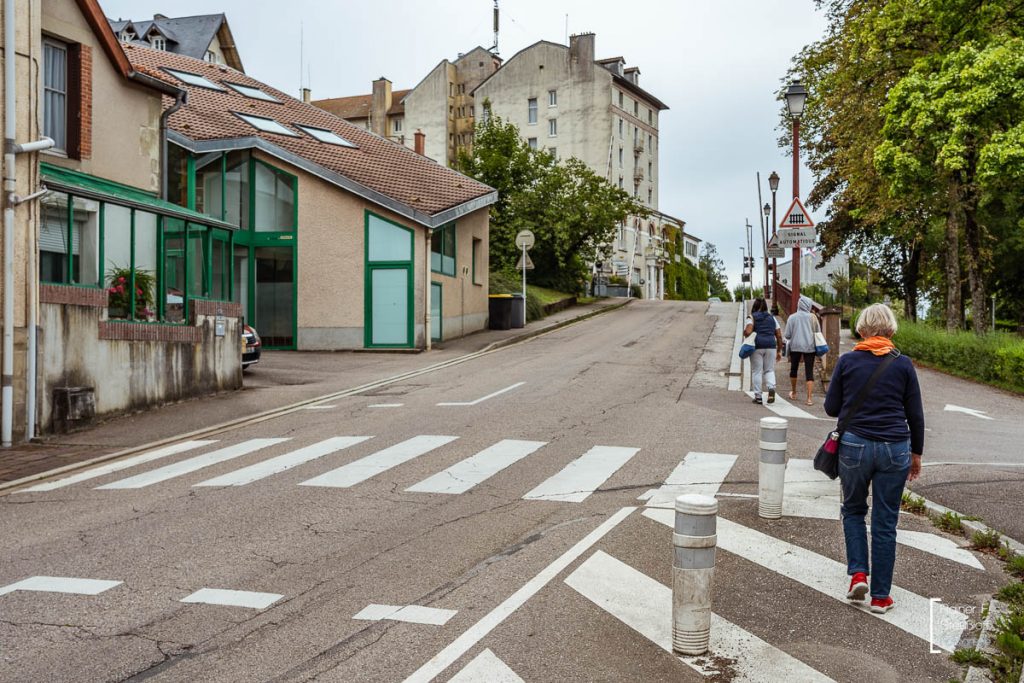
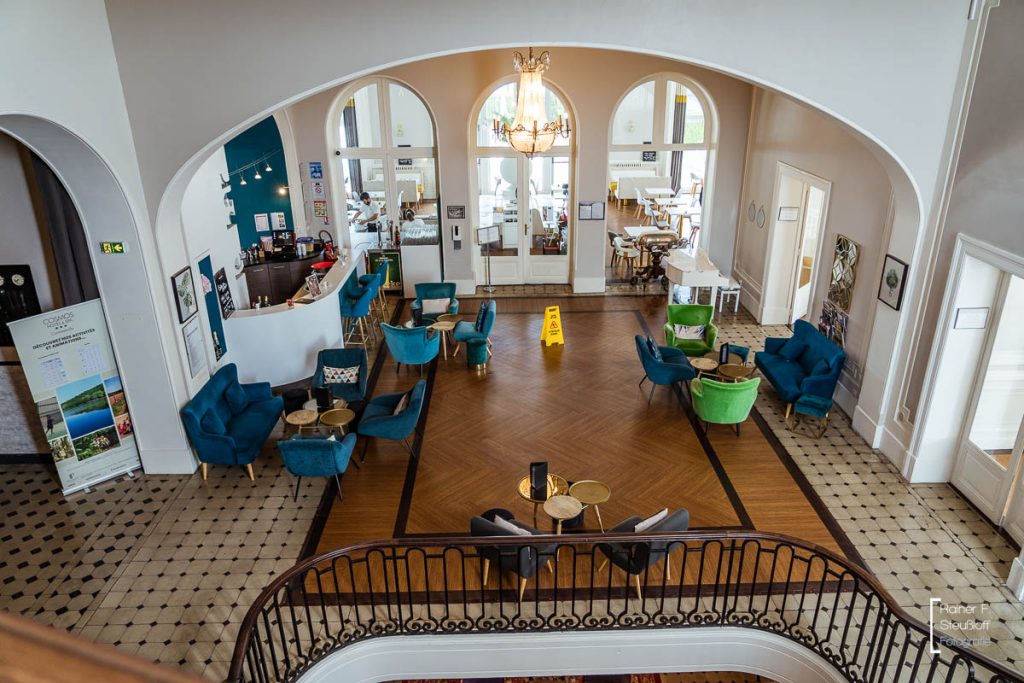
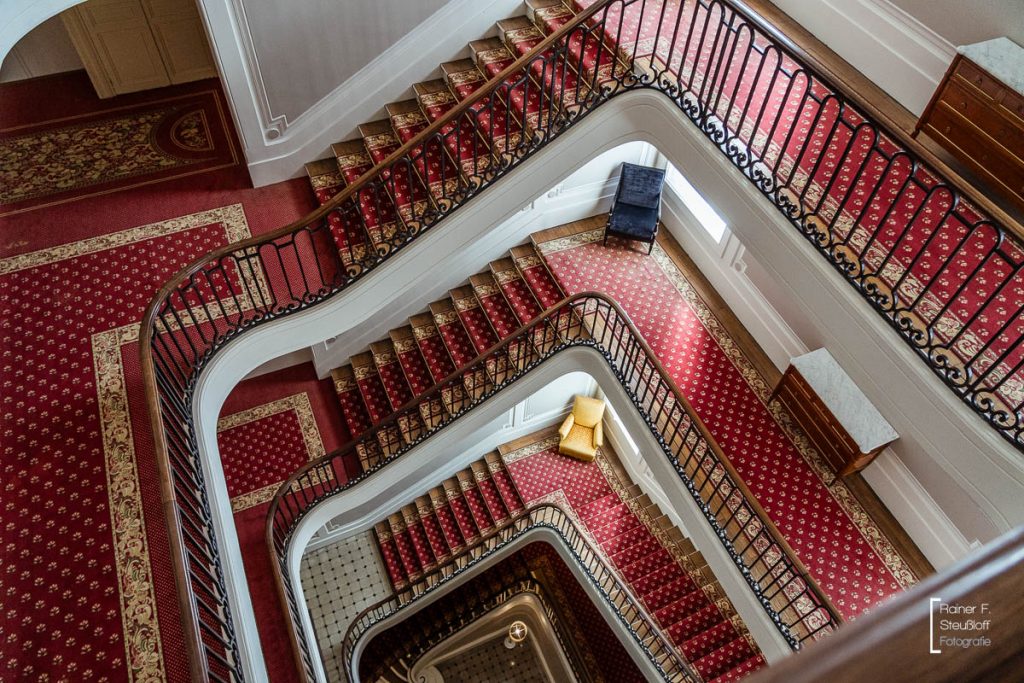
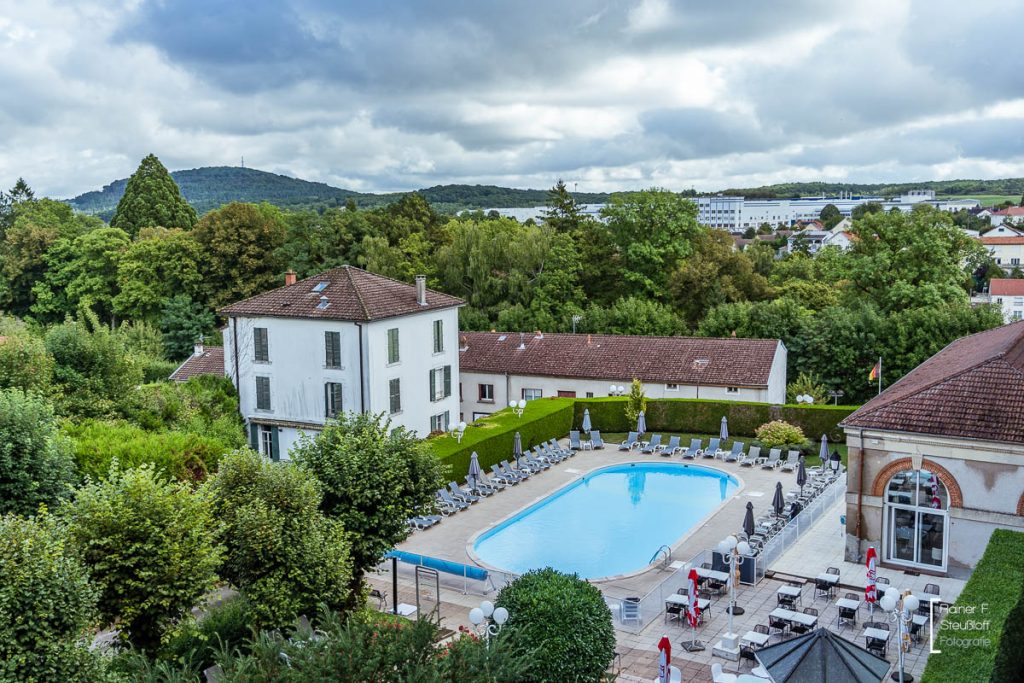
Das Hotel Comos, auf einer Anhöhe gelegen, ist ein Zeugnis der vergangenen Zeiten. Etwas renovierungsbedürftig und mit modernen Spielgeräten in der Lobby, strahlt es noch die mondäne Atmosphäre des vergangenen Jahrhunderts aus.
Even the Romans valued the water from the springs in the Vosges, but when the Huns and Germanic tribes invaded, that came to an end. Today, Contrexéville is once again known for its thermal springs and for the mineral water marketed under the Contrex brand. Until World War I, it was a popular spa town where the nobility mingled. After the war, the town never recovered. The issue with the Germanic tribes once again proved to be a disadvantage.
A testament to this is La Rotonde, the new Art Nouveau-style pavilion. It houses a spring and the pavilion with the drinking fountain. Another spring is located outside, next to a wall. The rotunda is built over the small Vair River. The surrounding neighborhood, including the spa hotel, was demolished. All that remained was the entrance area and a parking lot. Today, the town gives a somewhat run-down impression.
In the late 1980s, the city administration at the time decided to create a city center that would reflect contemporary society, its lifestyle, and its urban aspirations. To this end, it commissioned several architects, including Nicolas Normier, to implement an avant-garde project centered on the themes of water, nature, and minerals. This led to the “Eaux Fortes” (Strong Waters) project and, in particular, the square with its 24 blue fountains. The rectangular square, surrounded by trees, features a floor of porphyry paving stones and 24 sculptures made of Carrara marble and enameled lava, ranging in height from 2.5 to 3.5 meters, which spray water into an 80-meter-long basin of white marble. So goes the city’s promotional material.
What remains are chipped tiles, rotting stones, filled-in water features, and a neglected surroundings. Apparently, it was due to the wrong cleaning agent.
The Hotel Comos, situated on a hill, is a testament to times past. In need of some renovation and featuring modern gaming machines in the lobby, it still exudes the sophisticated atmosphere of the last century.