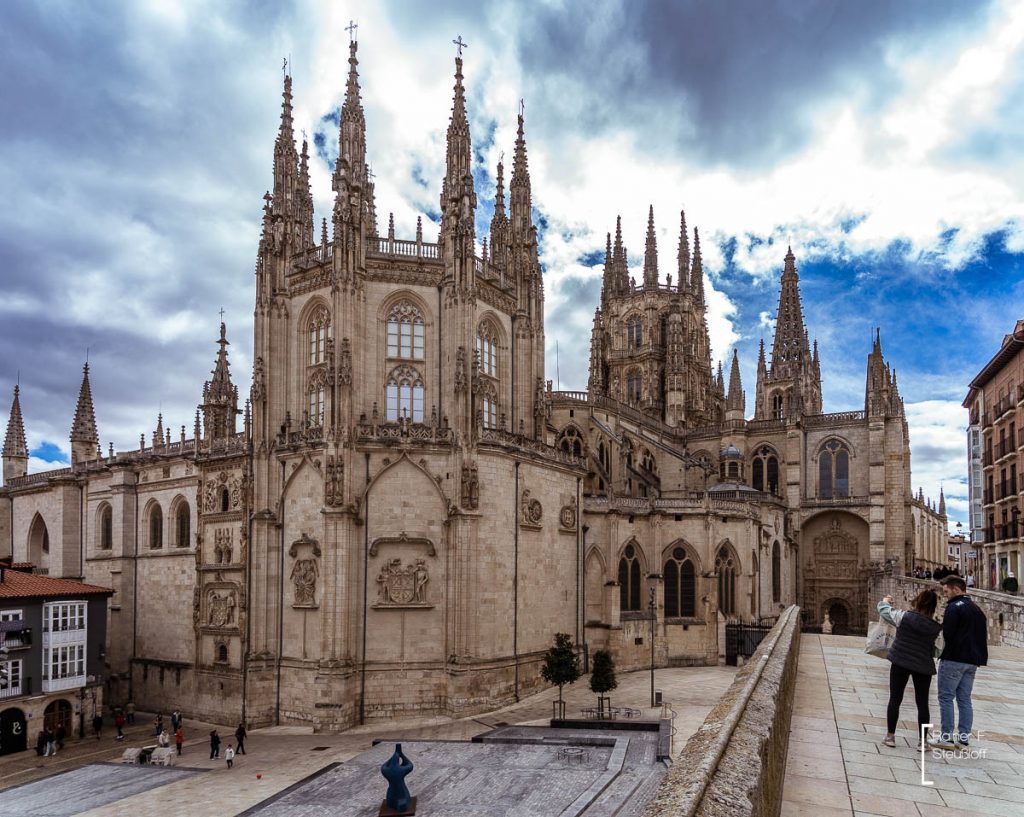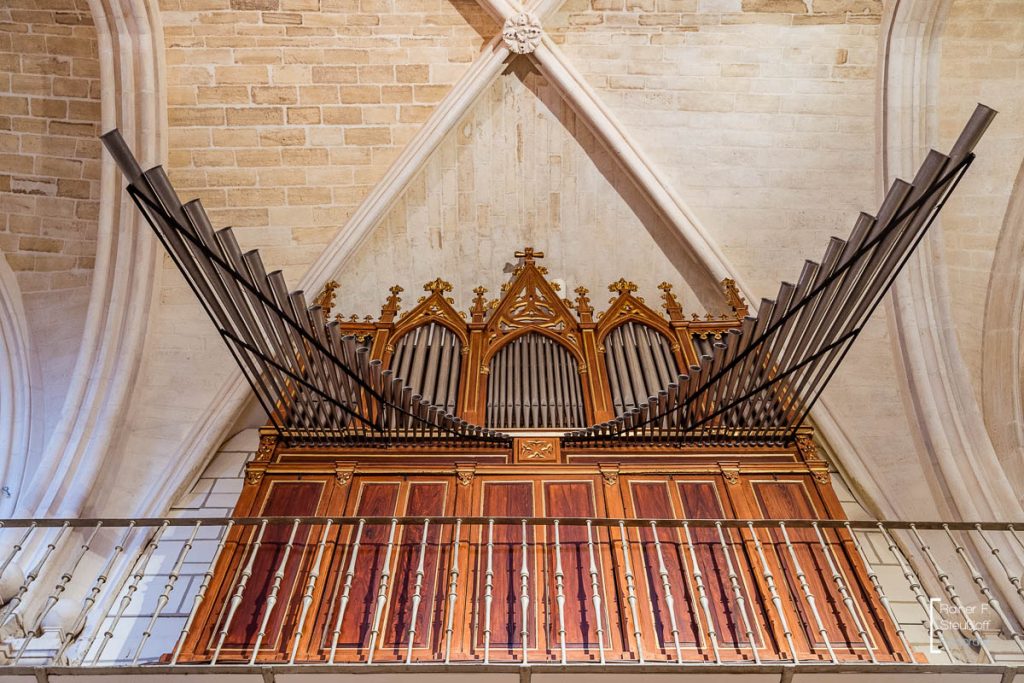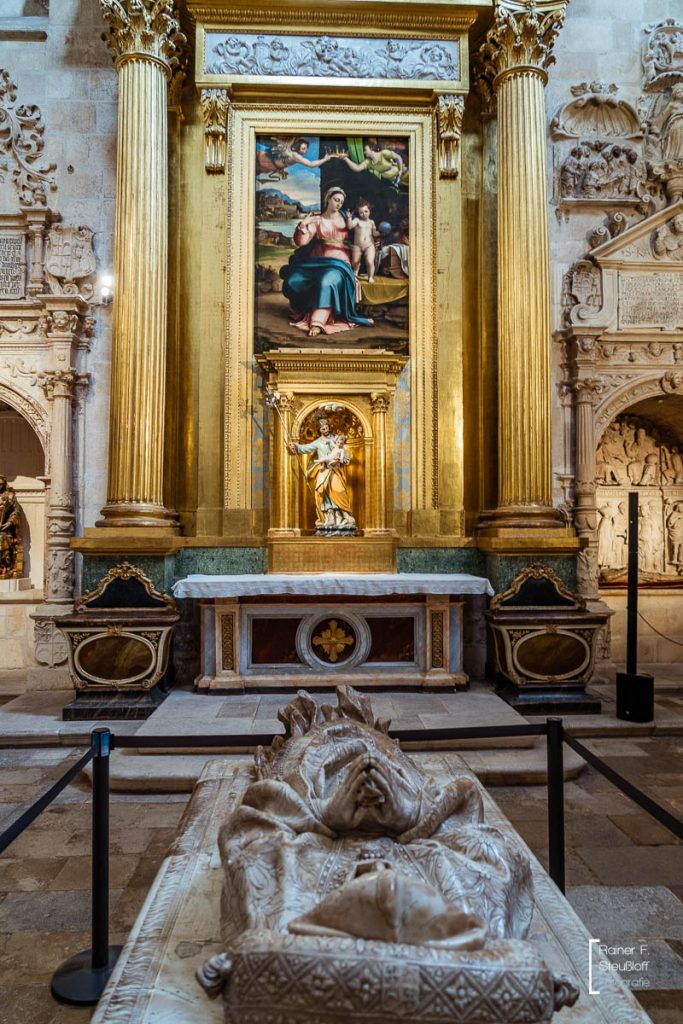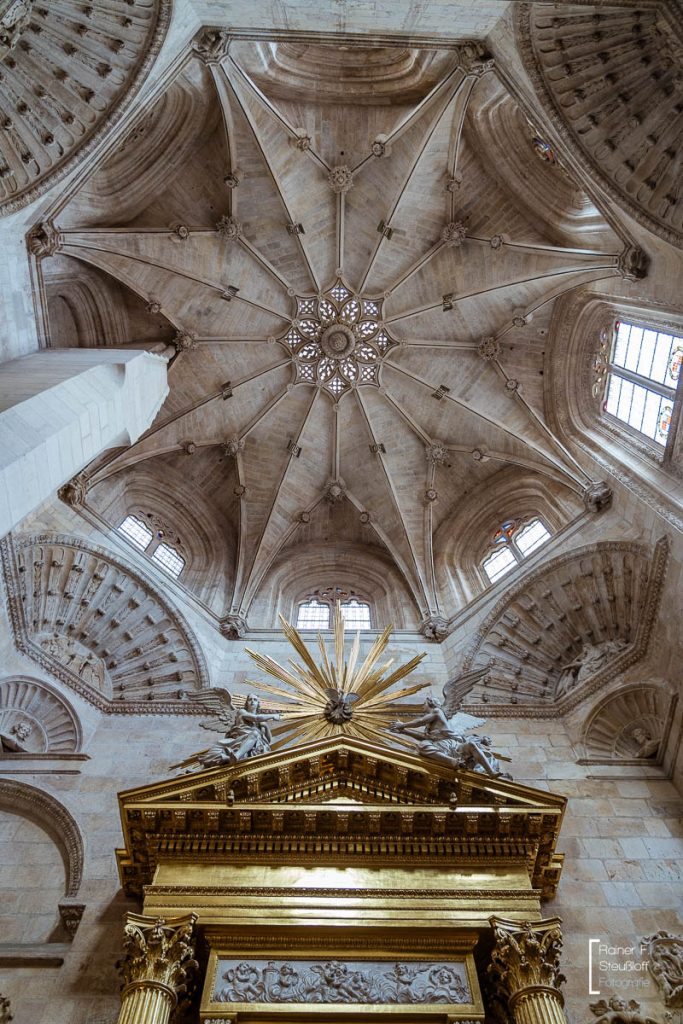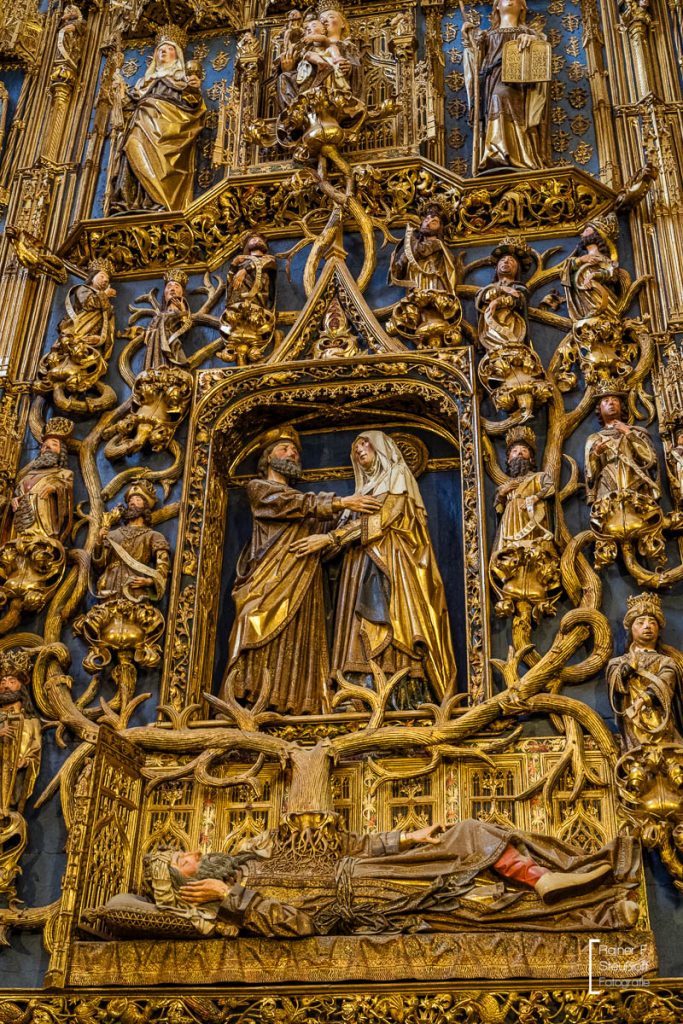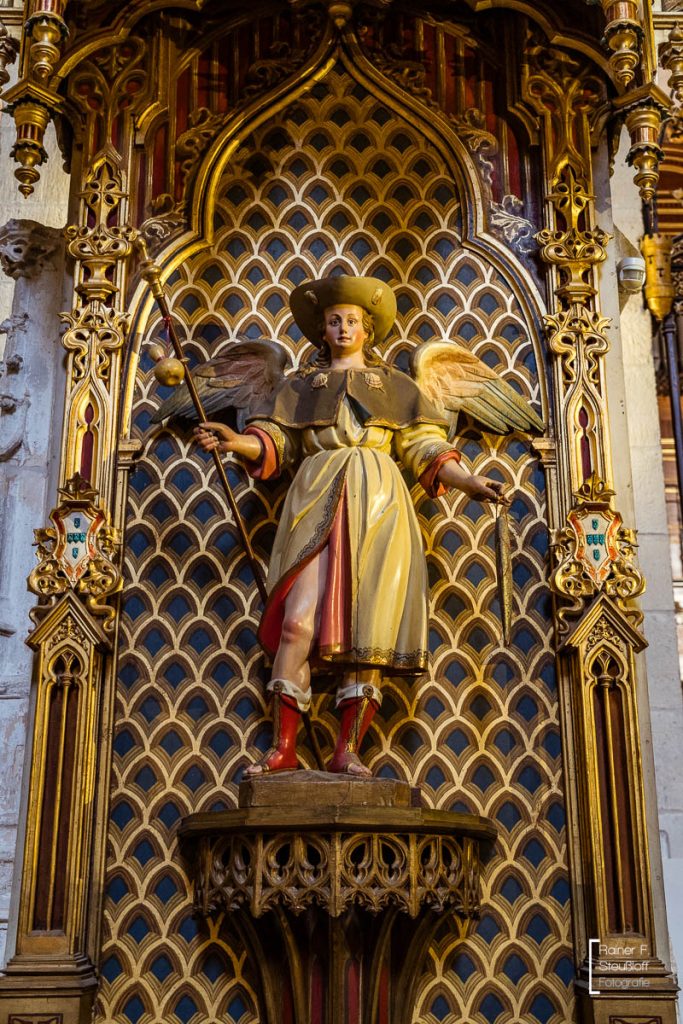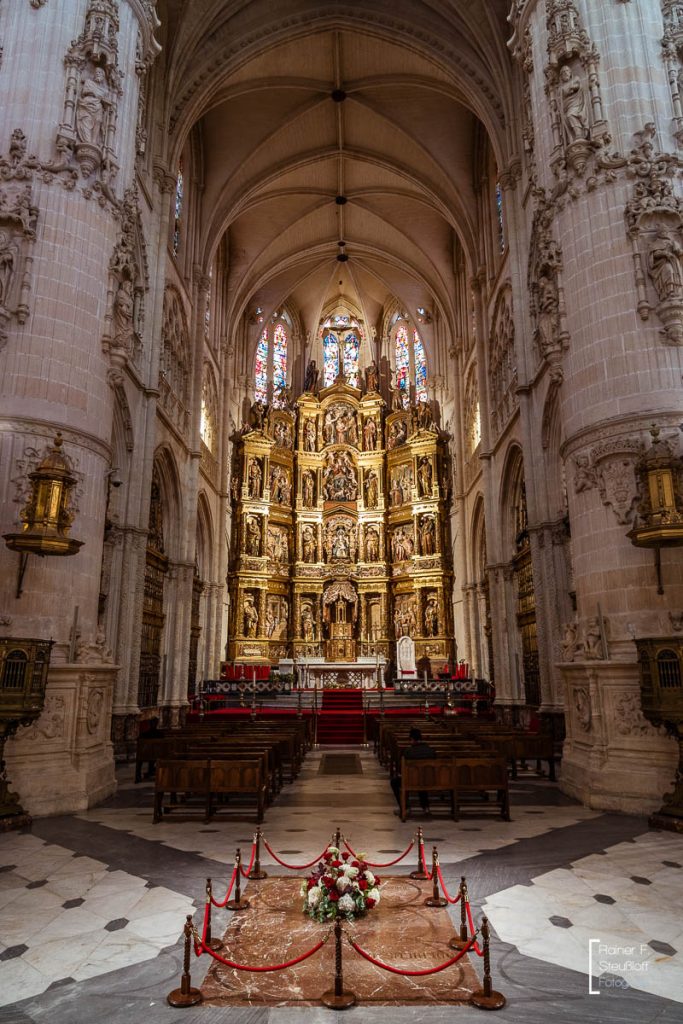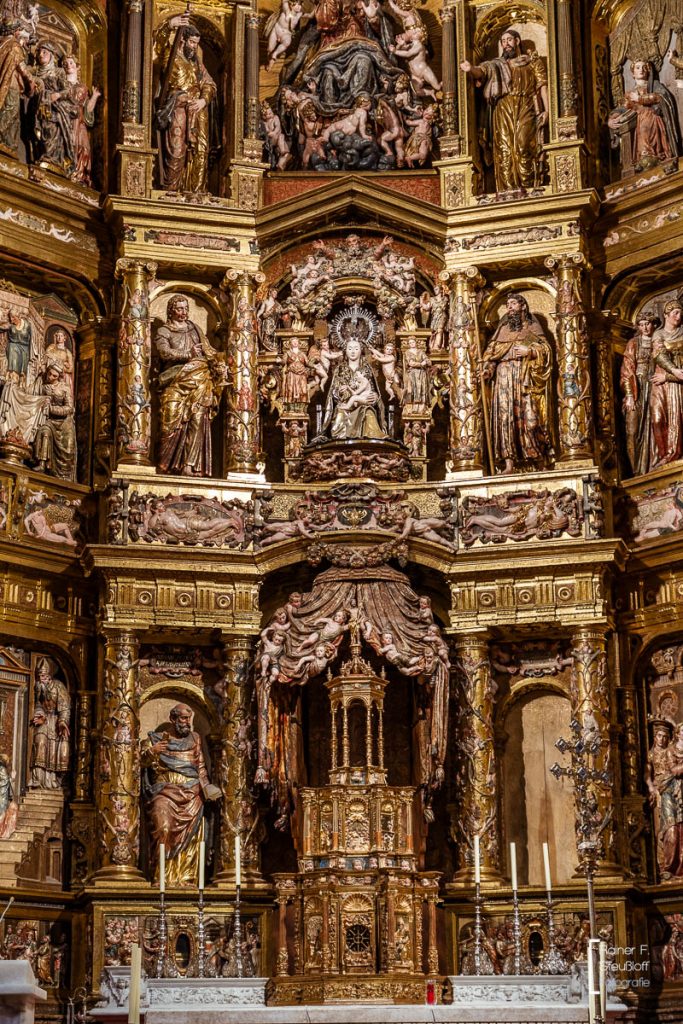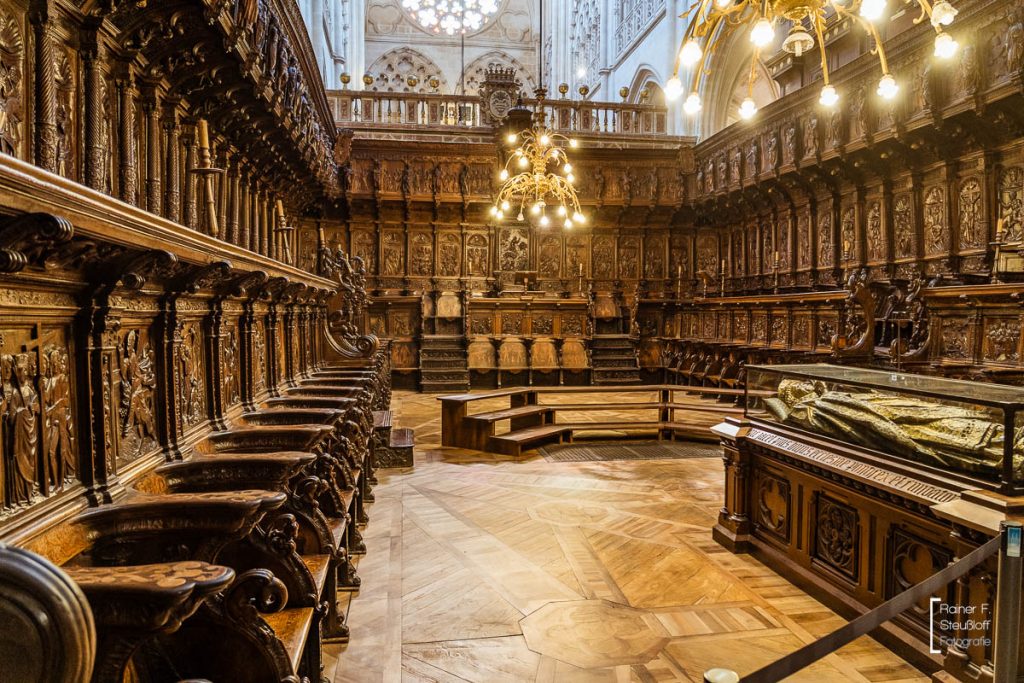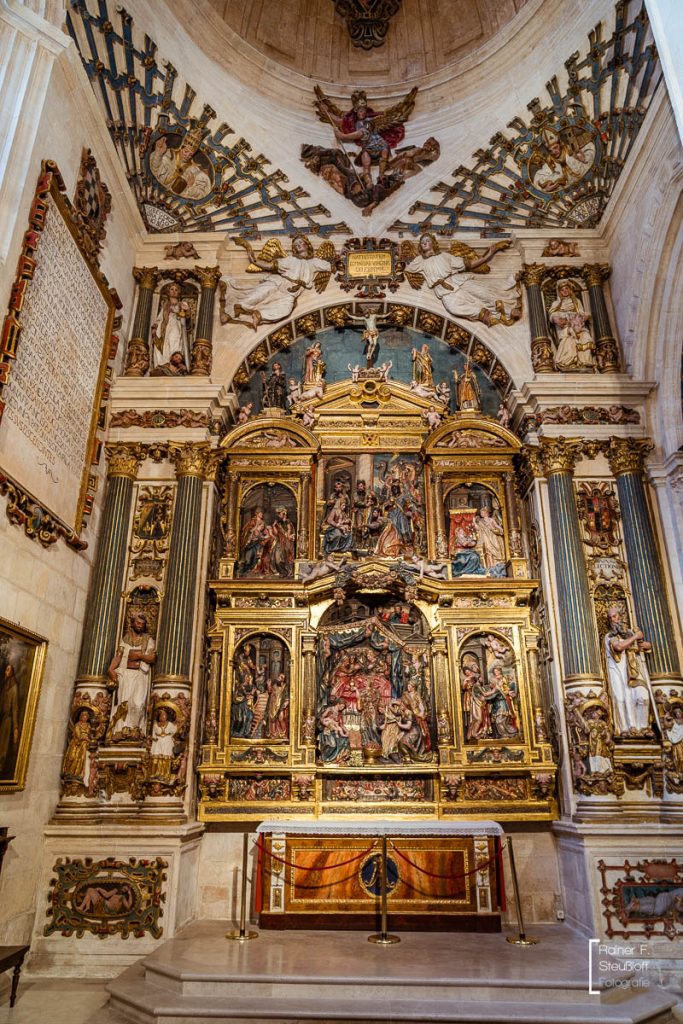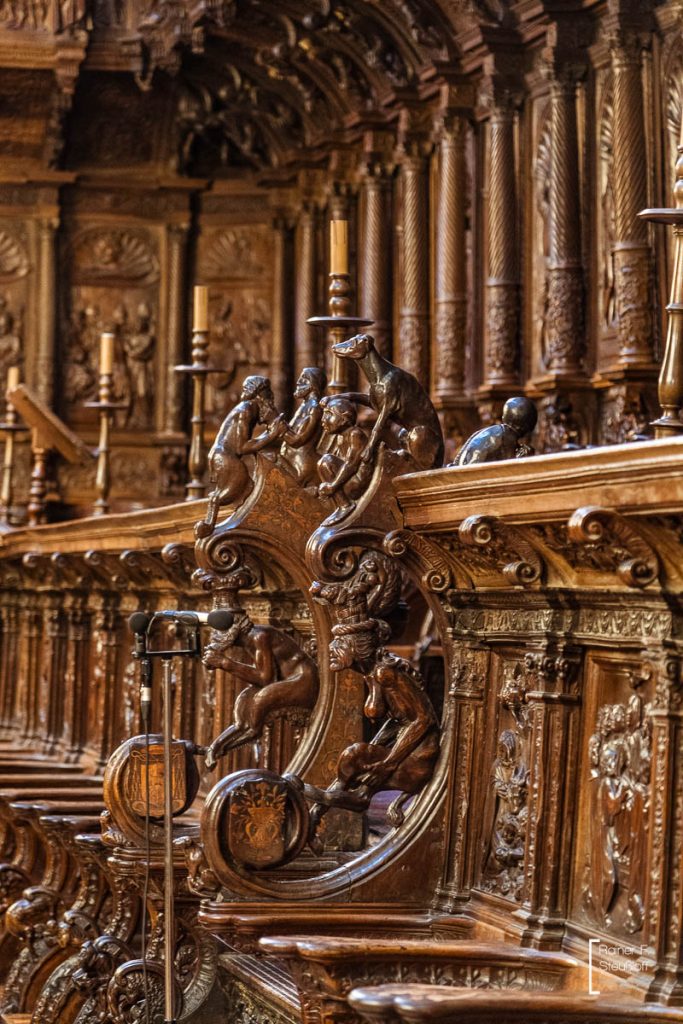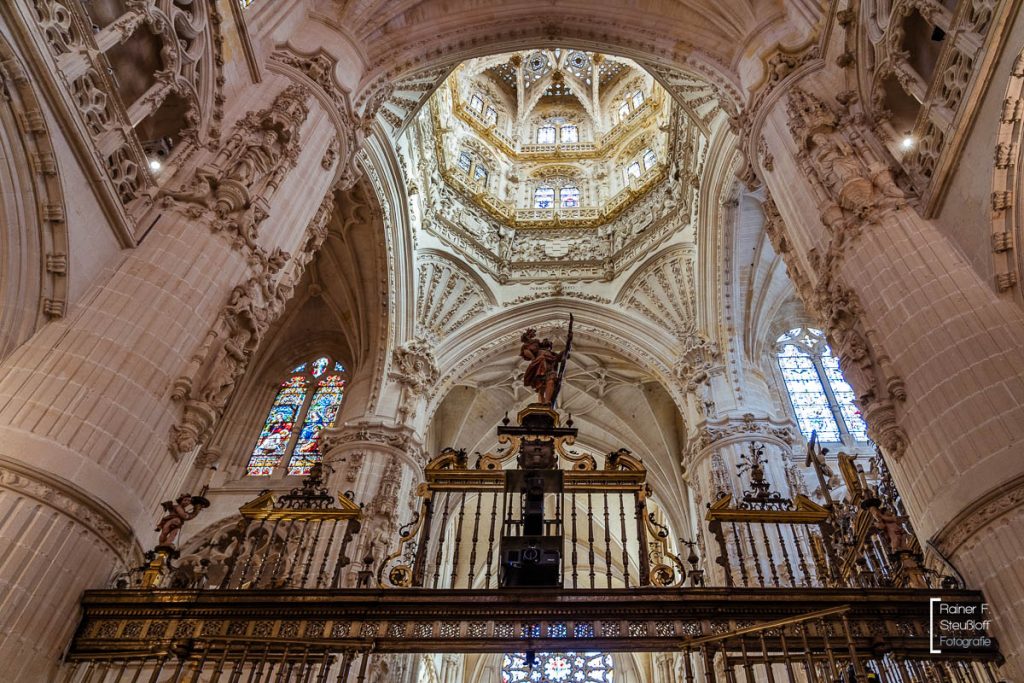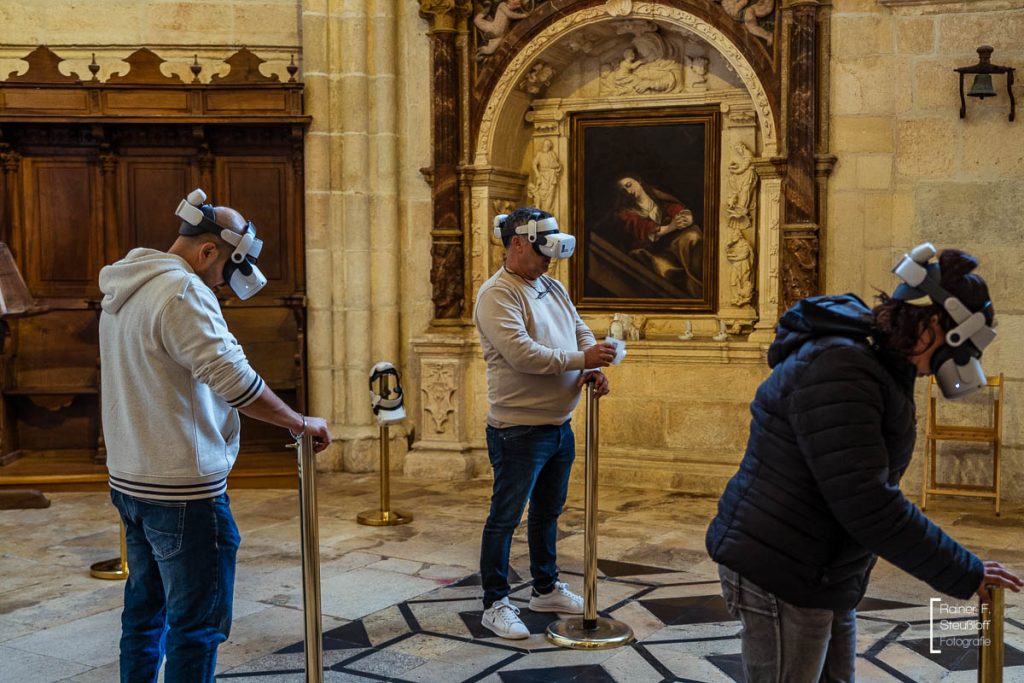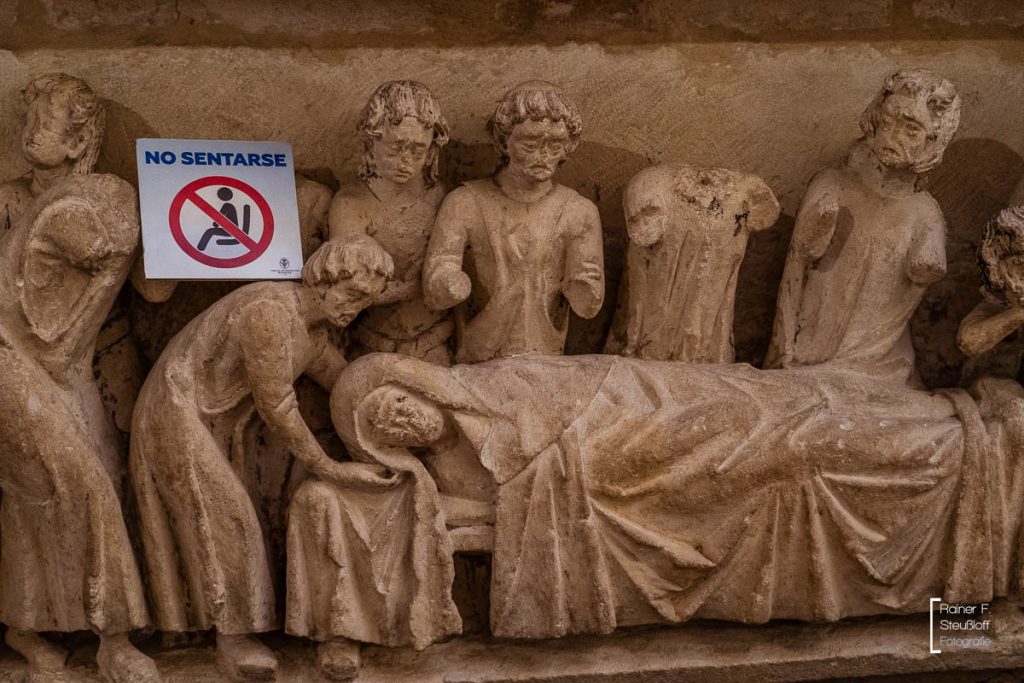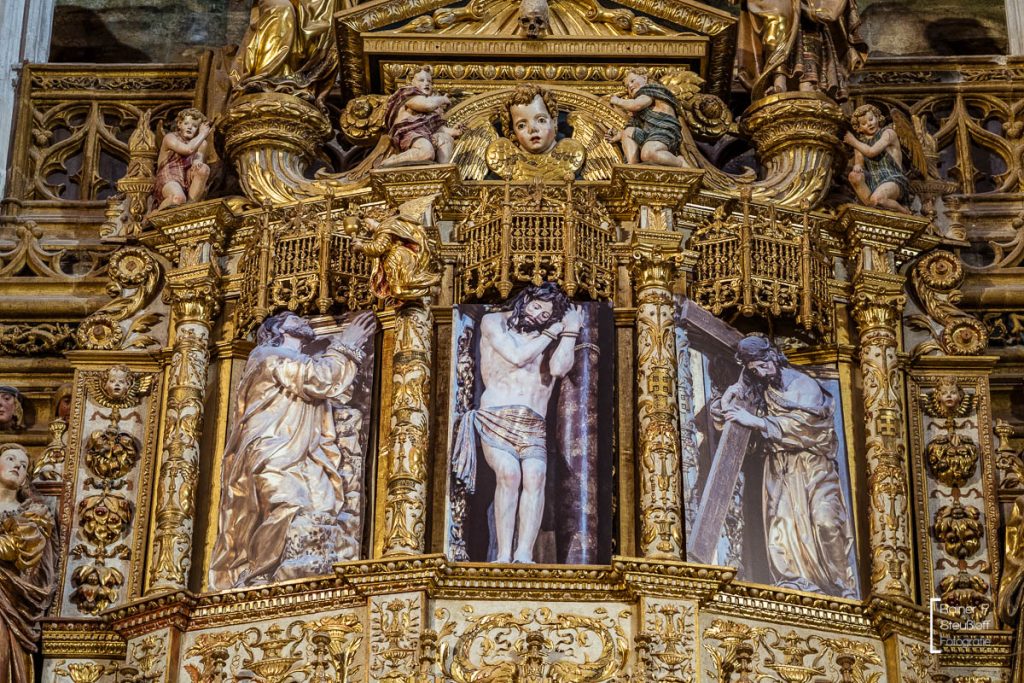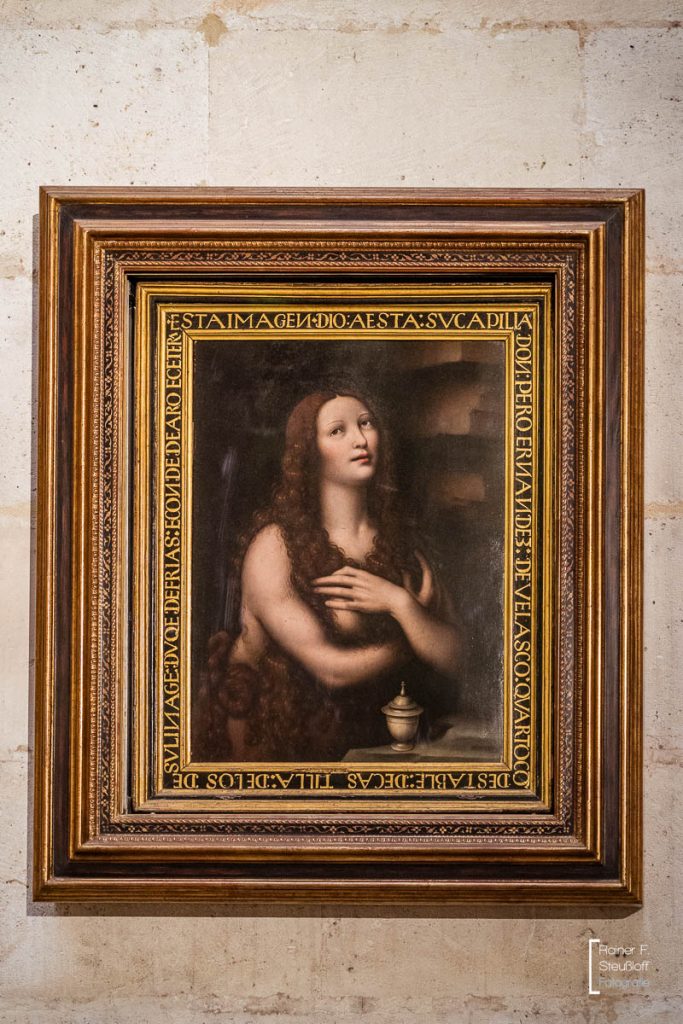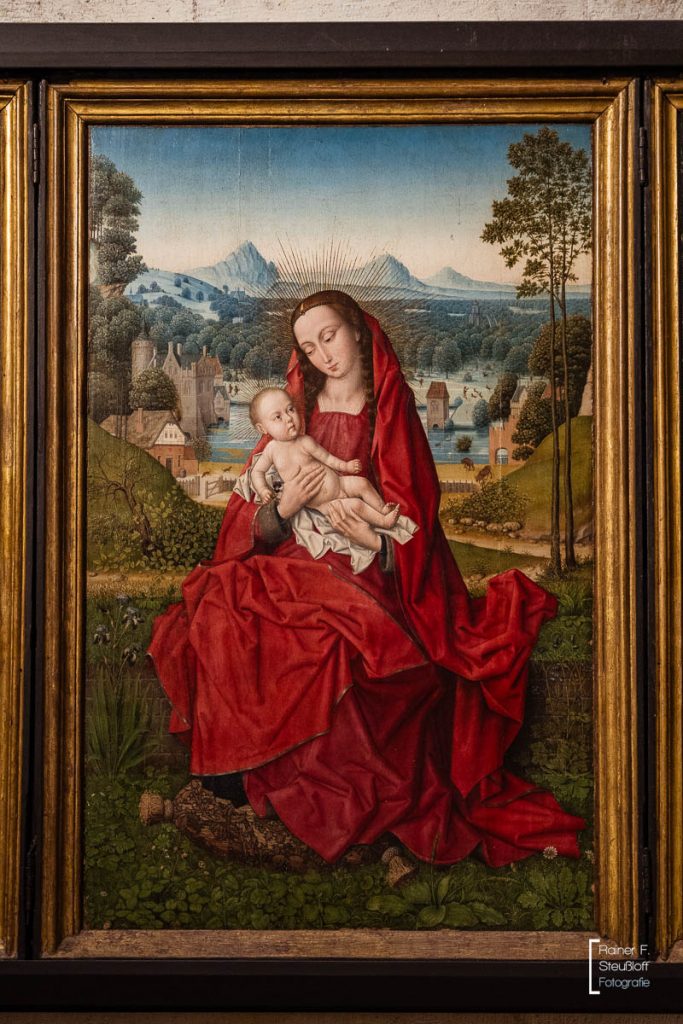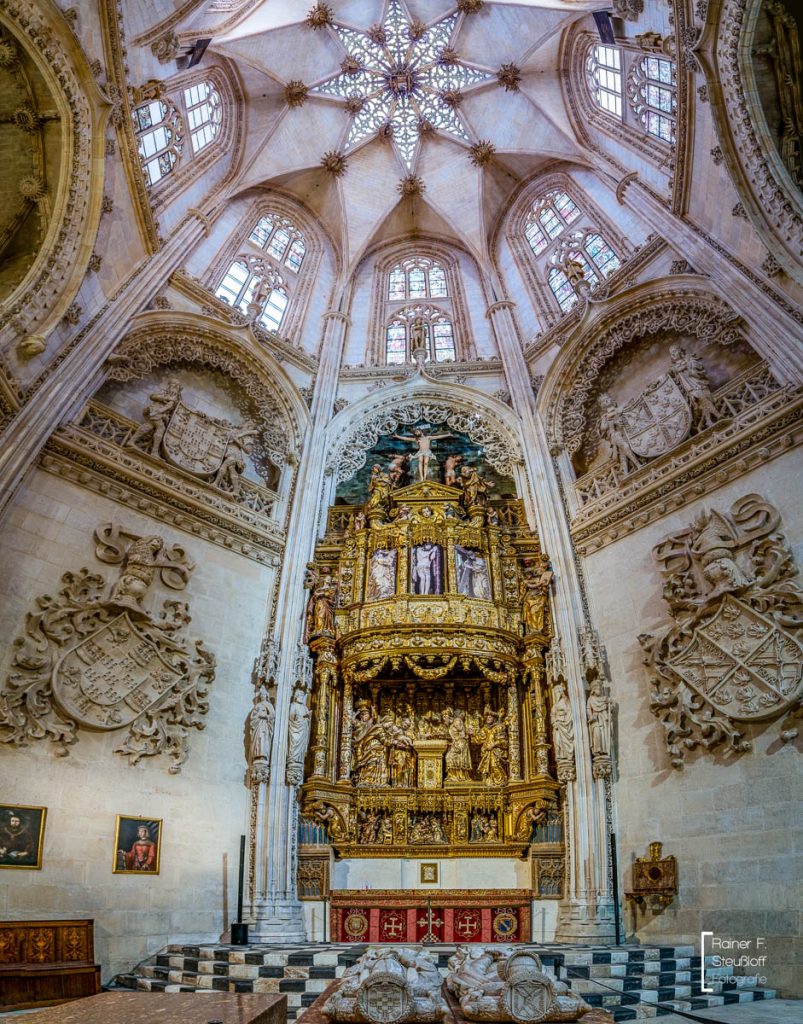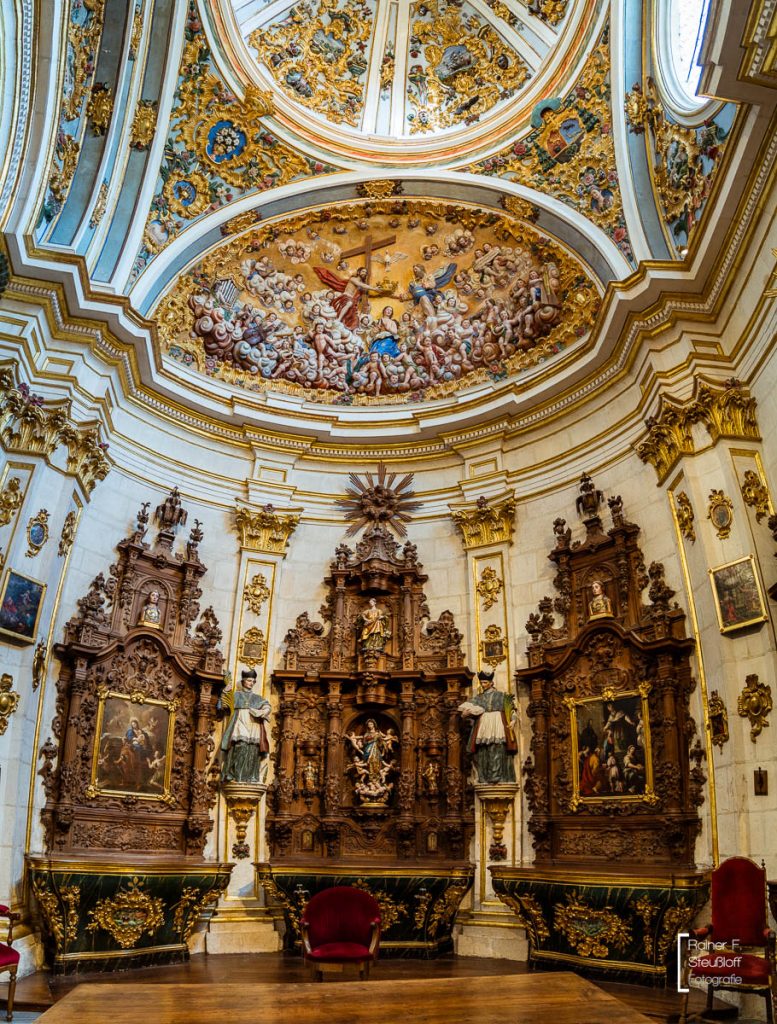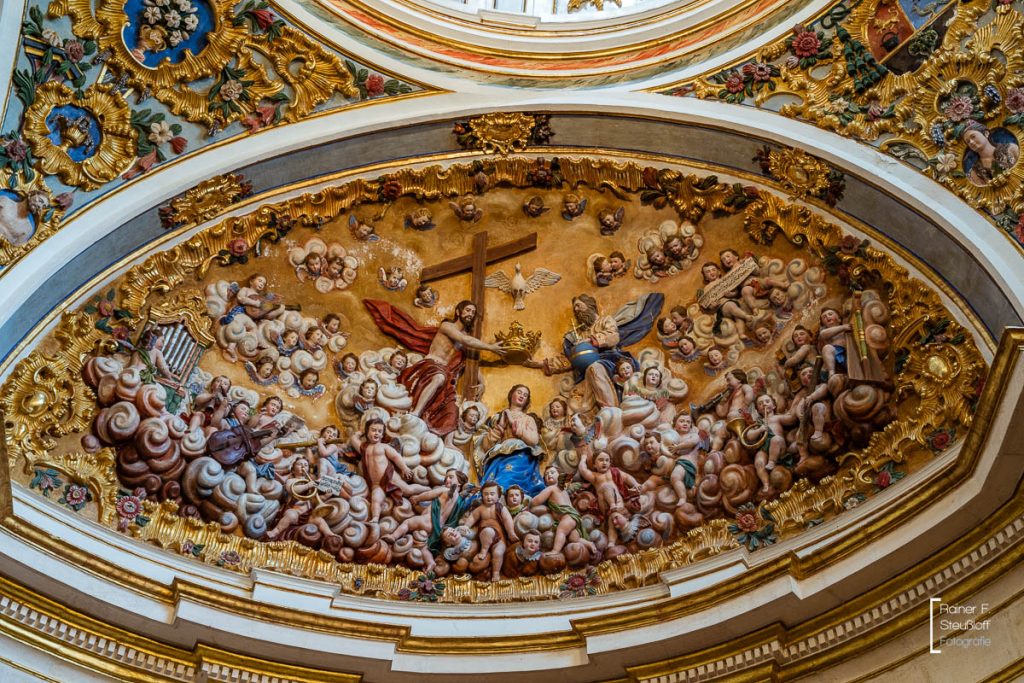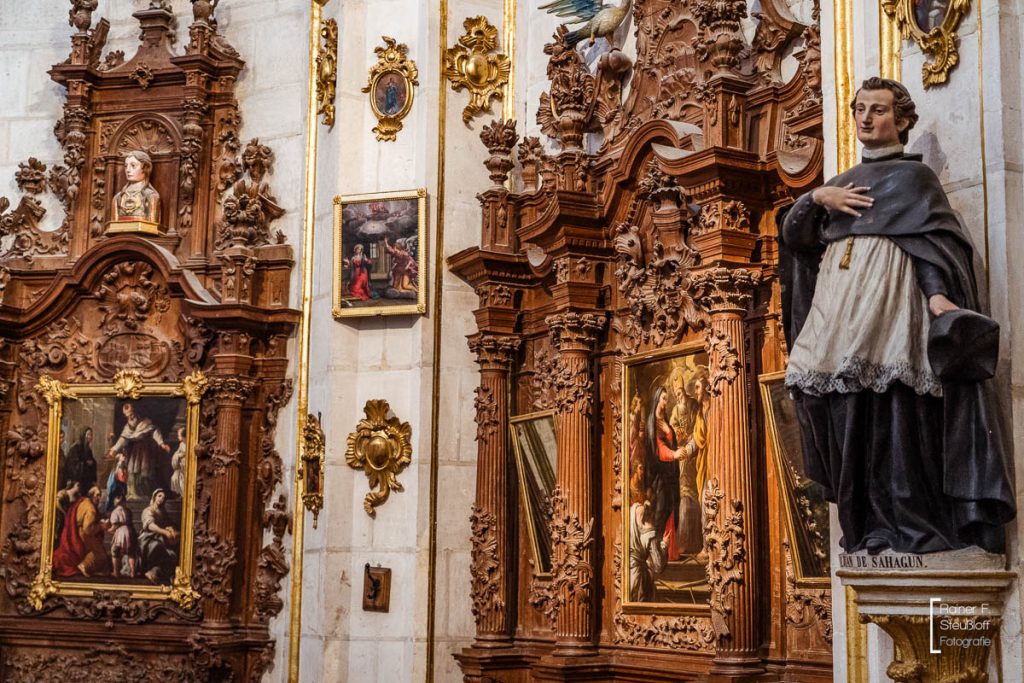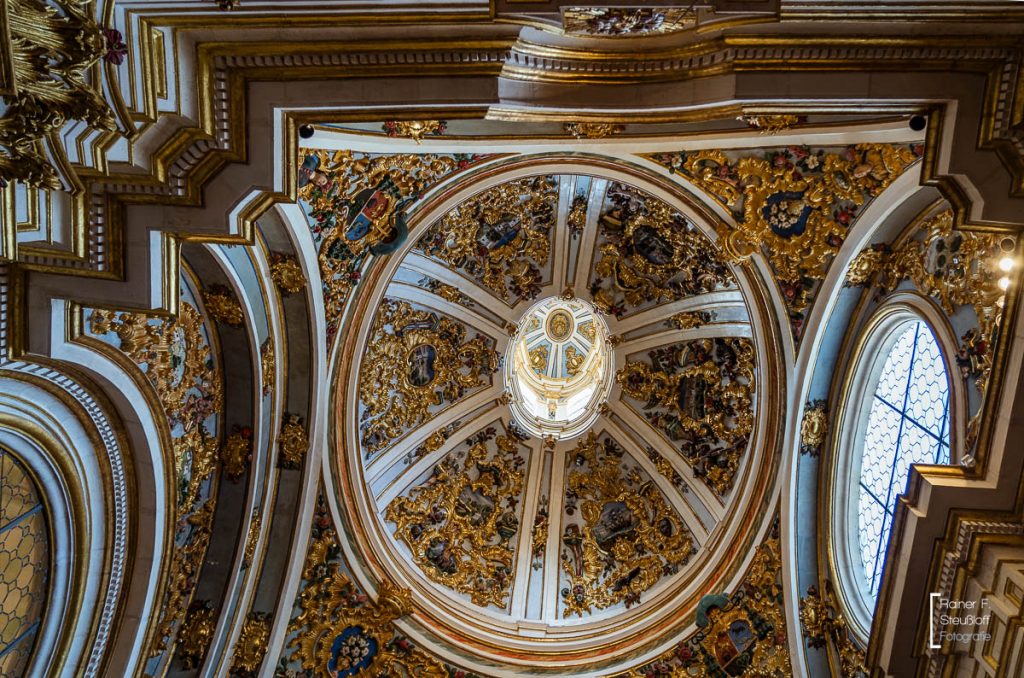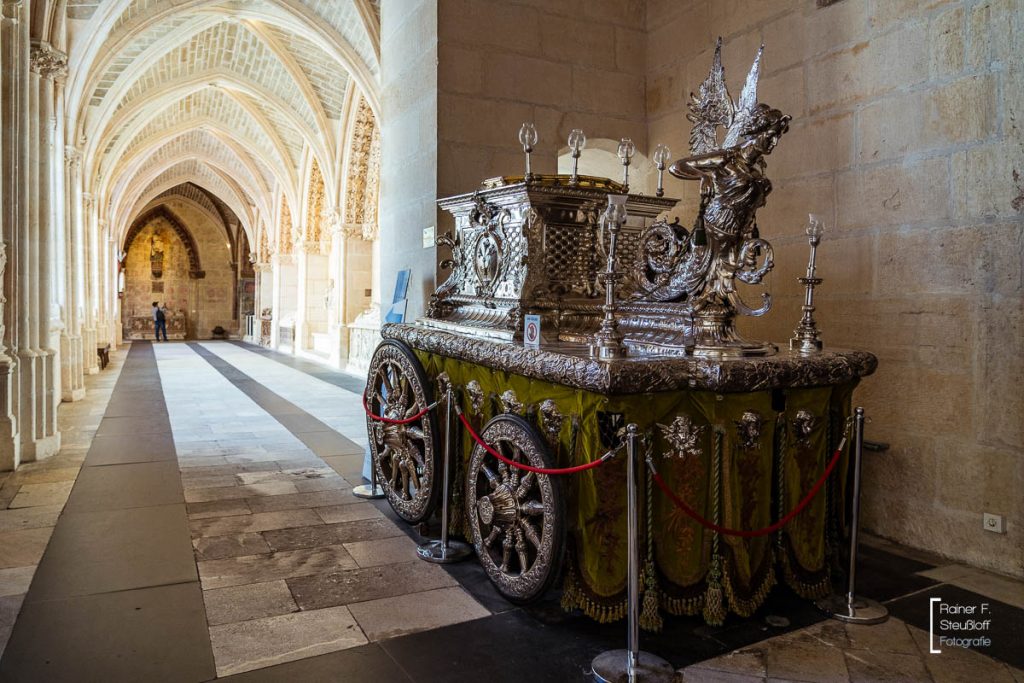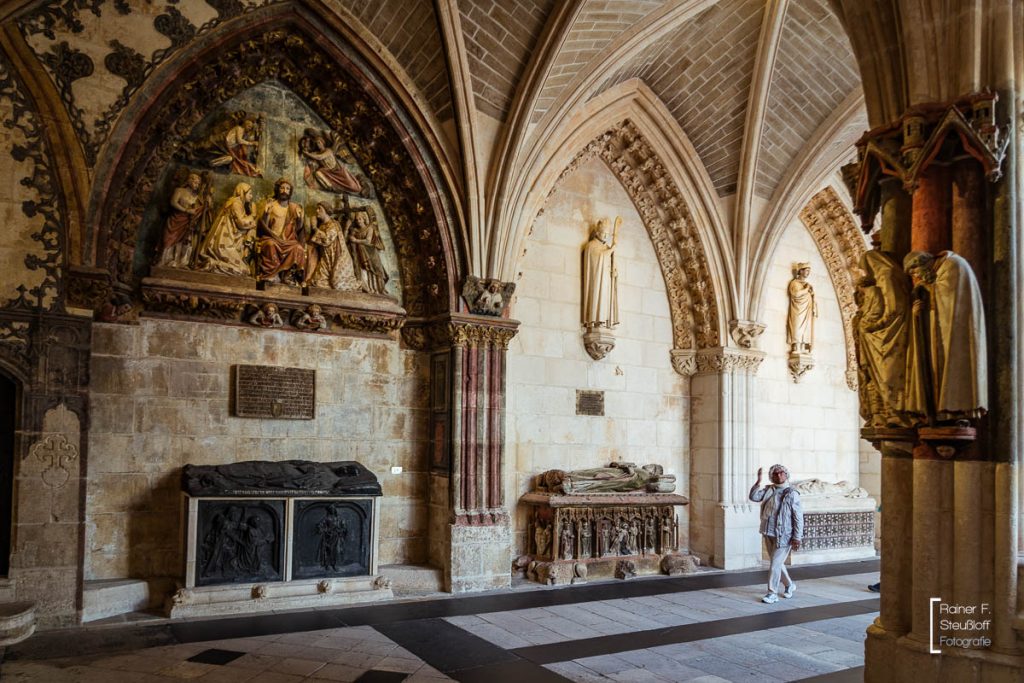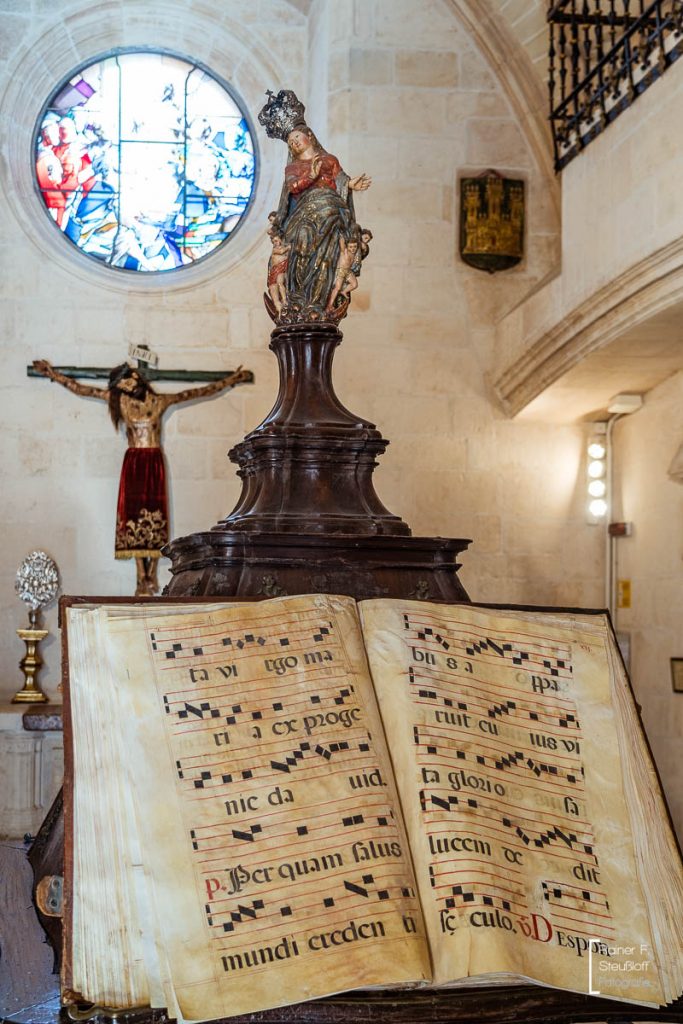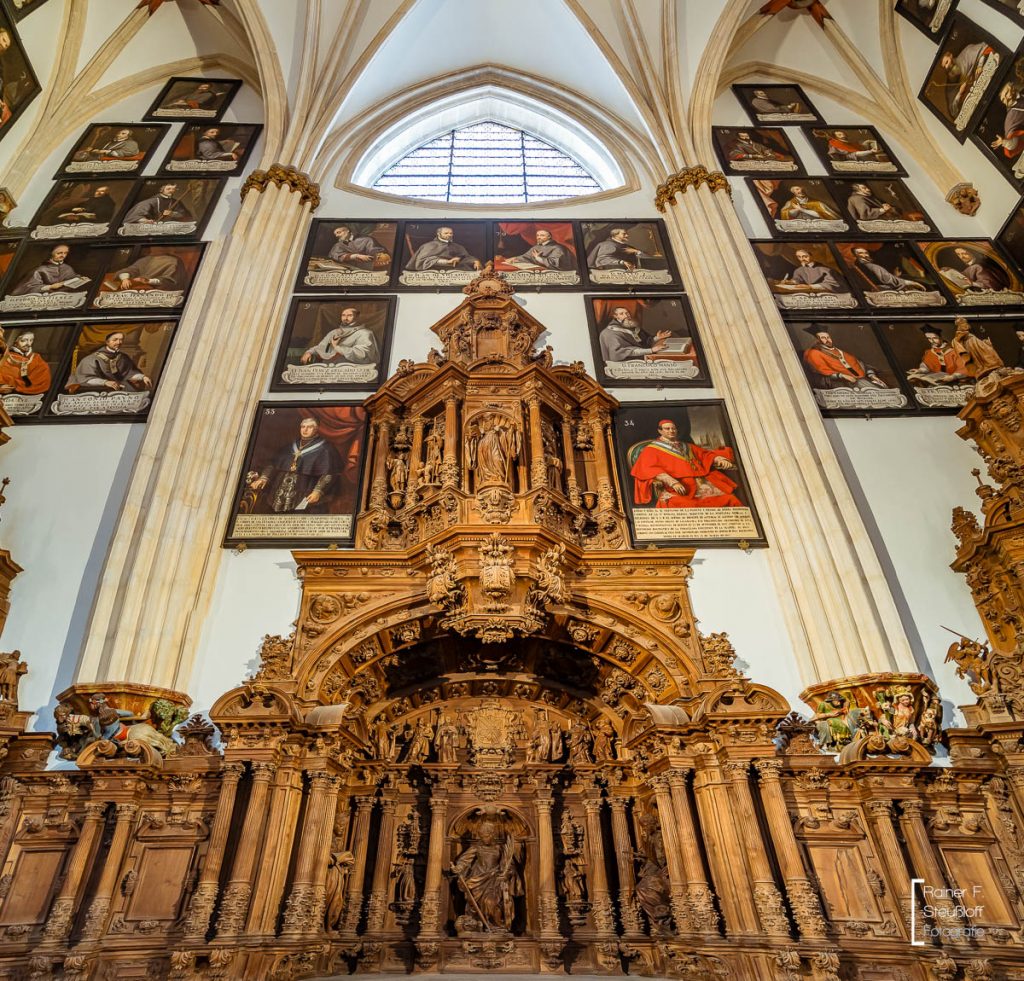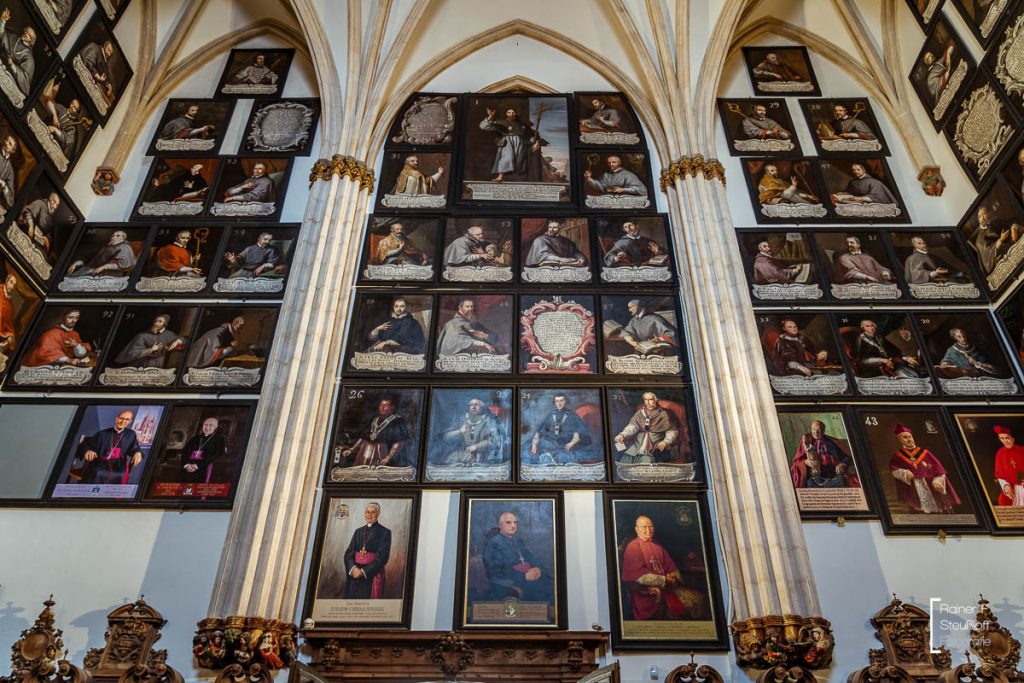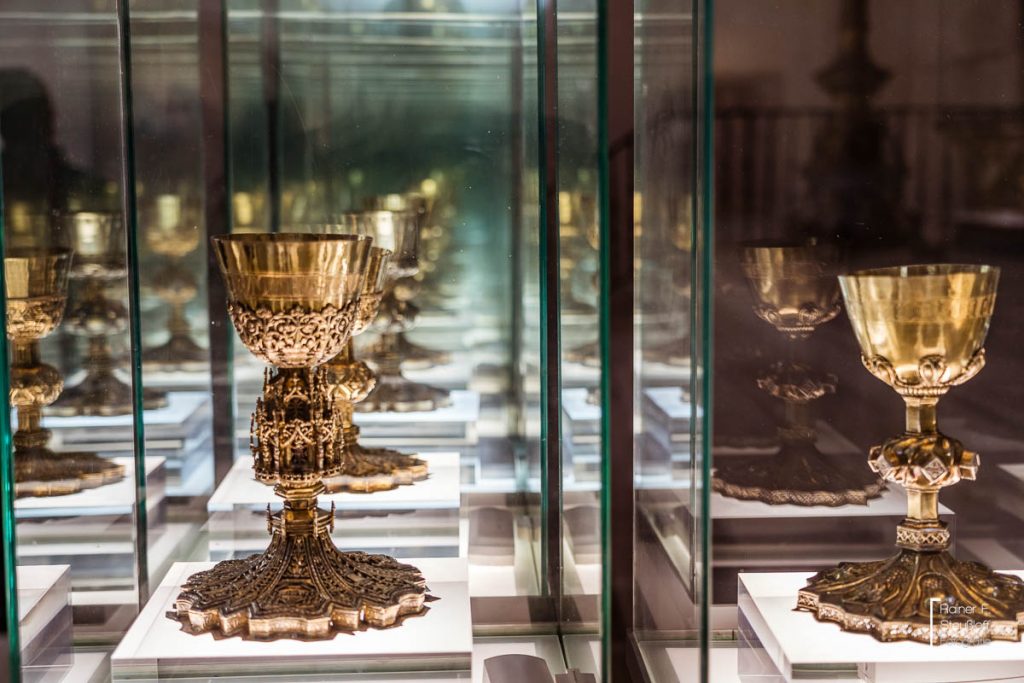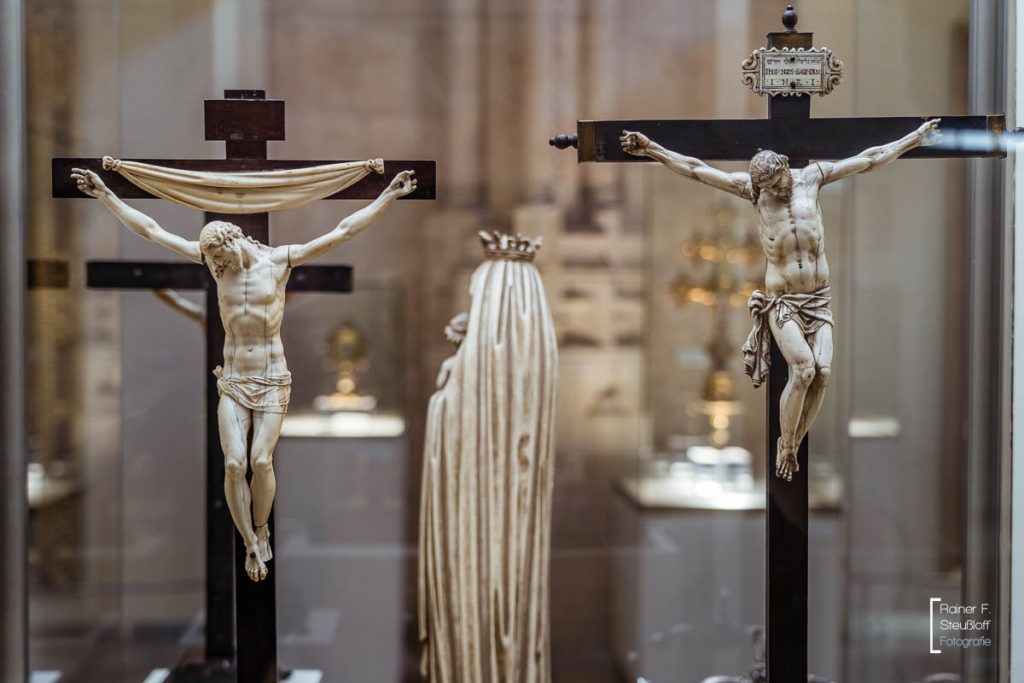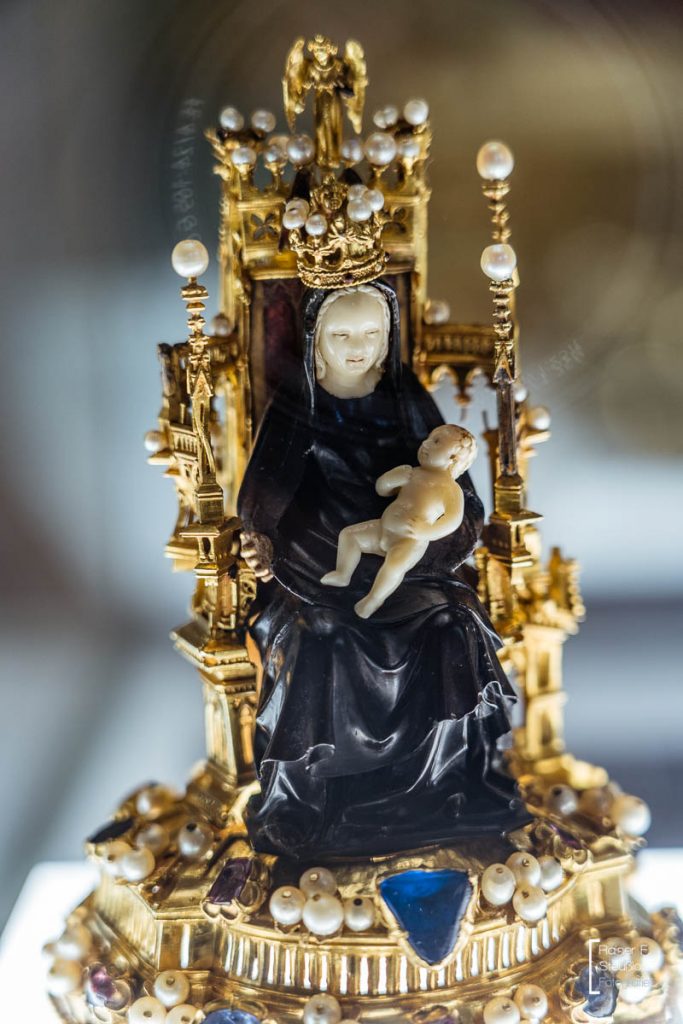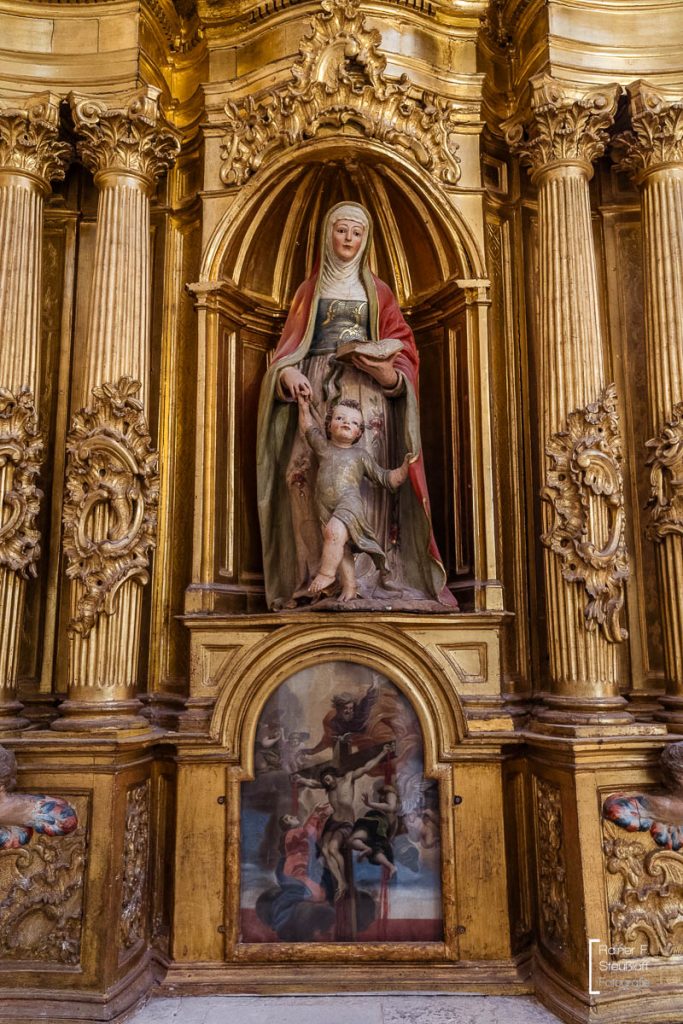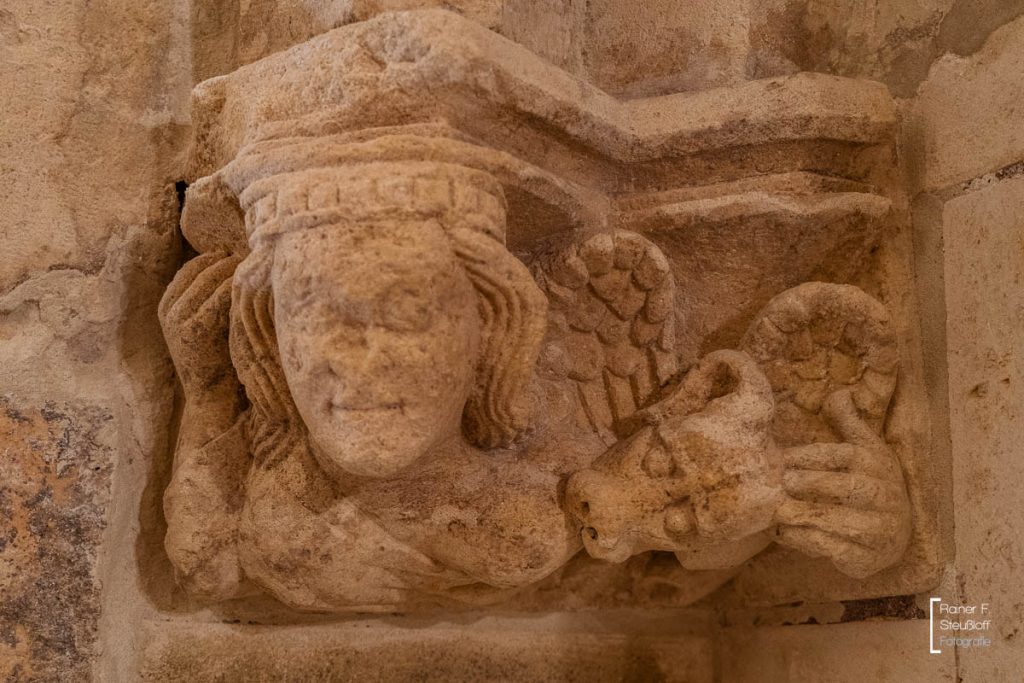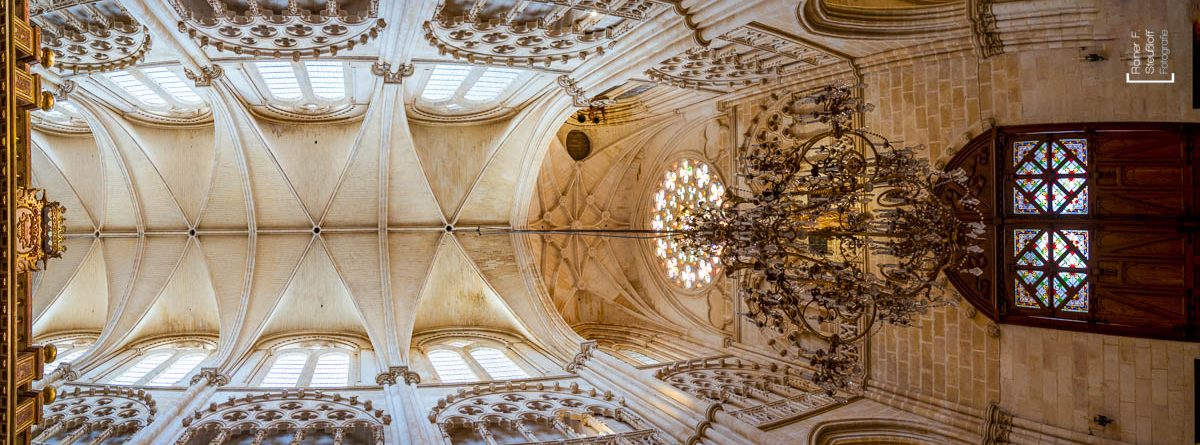
Der Bau begann vielverprechend im 12 Jahrhundert, doch dann ruhte er 200 Jahre und erst ein Rheinländer konnte die Bauruine zum Leben erwecken. Johannes von Köln, der auch an der Dombauhütte am Rhein gelernt hatte, wurde über ein paar Umwege nach Burgos geholt. Obwohl die Kölner ja auch nicht richtig voran kamen, war er nach 16 Jahren fertig. Ein wenig erinnert die Kathedrale an den Kölner Dom. Manche andere auch an einen versteinerten Wald oder sperrigen Zuckerbäckerstil. Gewaltig ist sie auf jeden Fall und nicht zu übersehen. Im Laufe der Zeit wurde sie immer weiter aus- und umgebaut. Das Innere ist prächtig und mit Kunstschätzen reich gefüllt. Mit 19 Kapellen, 38 Altären und 60 Säulen nimmt die Ausstattung die Weite der tatsächlichen Dimensionen.
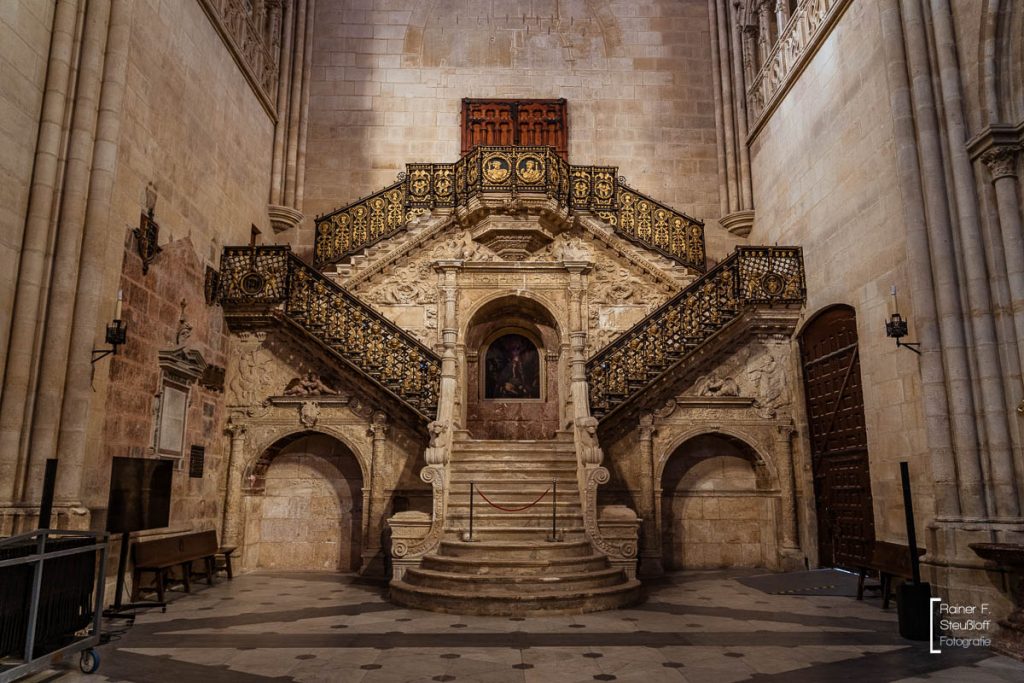
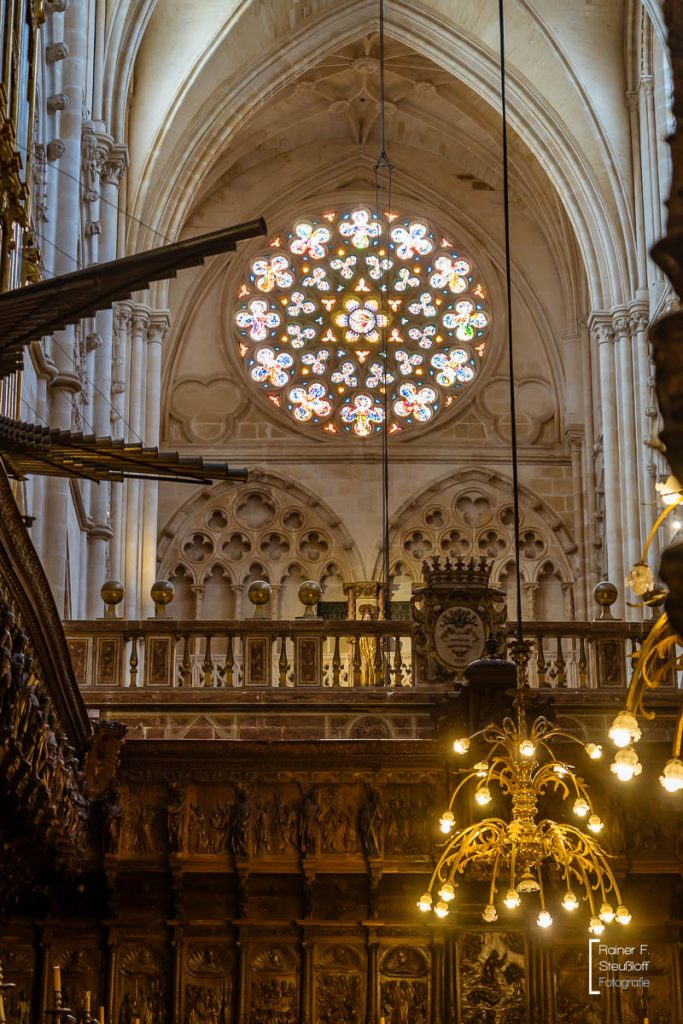
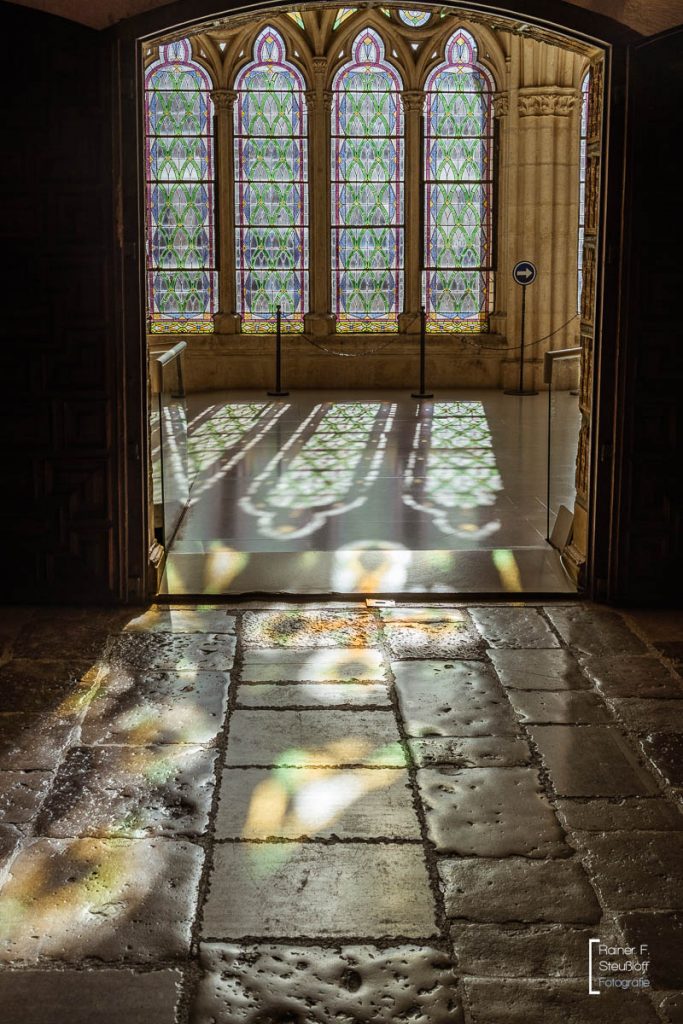
Der Eingang an der Goldenen Treppe wurde versperrt, denn die pragmatischen Einwohner hatte ihn als Abkürzung für ihre Schaftherden zum Markt genutzt. Einmal quer durch war den Domherren dann doch zu viel Volksnähe. Die Fernsterrose in der Westfassade wurde aus Spenden Burgaleser Juden finanziert und zeigt auf deren Wunsch einen Davidstern.
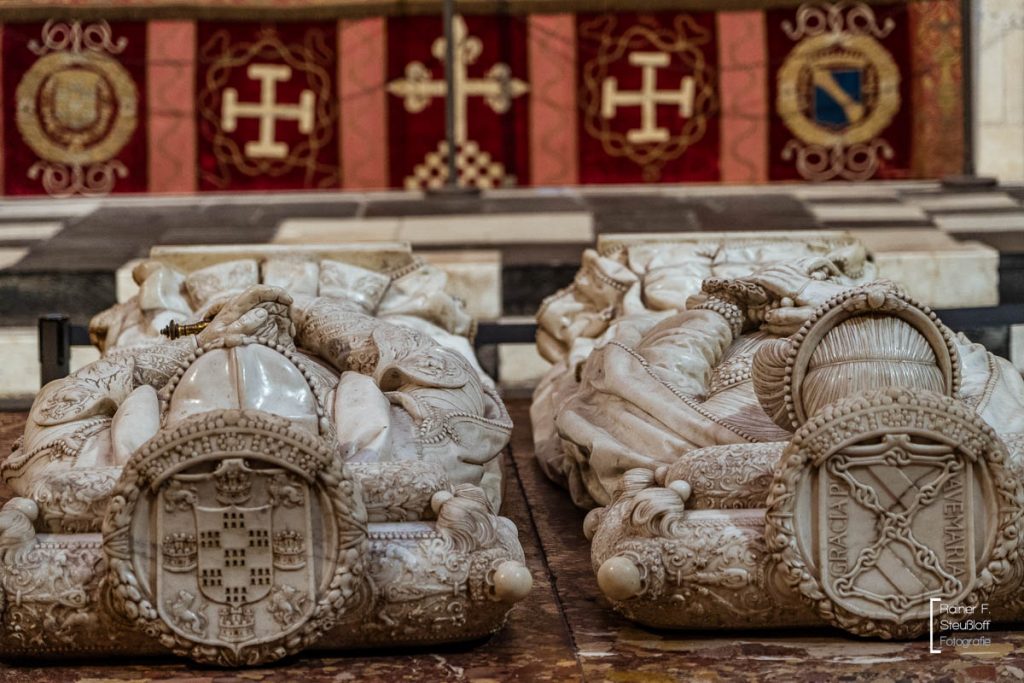
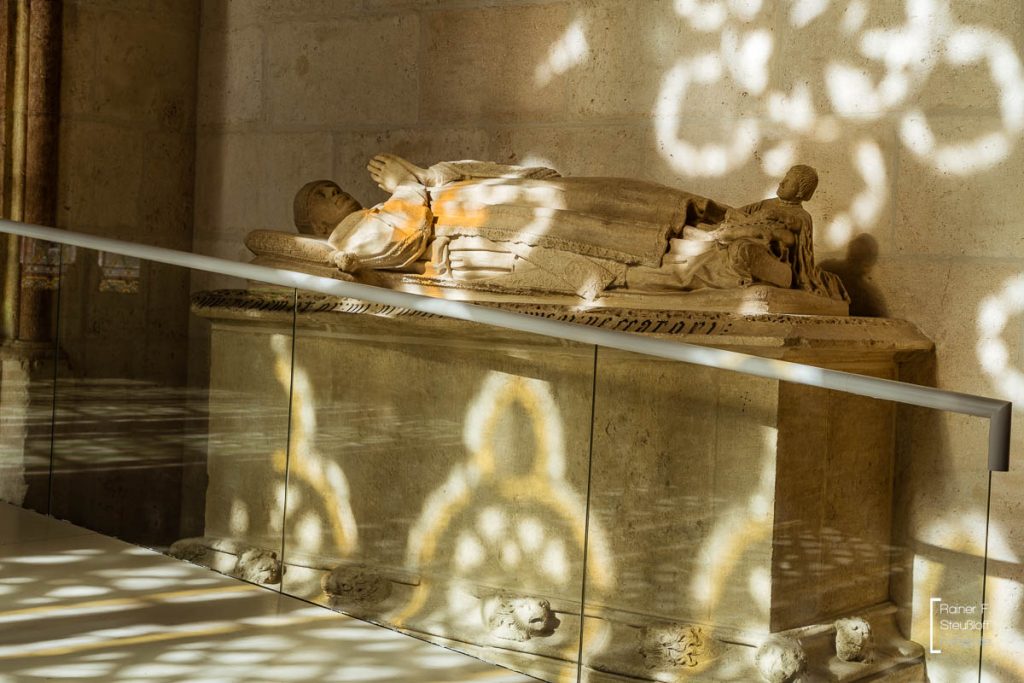
Dafür wurden der Warlord und Natonalheld El Cid – Rodrigo Díaz de Vivar und seine Frau Doña Jimena vom Kloster San Pedro de Cardeña bei Burgos in die Kathedrale umgebettet. Manche Massenmörder verklärt die Geschichte gerne.
Construction began promisingly in the 12th century, but then came to a standstill for 200 years, and it took a man from the Rhineland to breathe new life into the ruined structure. Johannes of Cologne, who had also trained at the cathedral workshop on the Rhine, was brought to Burgos after a few detours. Although the people of Cologne weren’t making much progress either, he completed the work after 16 years. The cathedral bears a slight resemblance to Cologne Cathedral. To some, it also resembles a petrified forest or a clunky gingerbread-style building. It is certainly massive and impossible to miss. Over time, it has been continuously expanded and remodeled. The interior is magnificent and richly filled with art treasures. With 19 chapels, 38 altars, and 60 columns, the interior truly reflects the vastness of its actual dimensions.
The entrance at the Golden Staircase was blocked off because the pragmatic locals had been using it as a shortcut for their flocks of sheep to the market. The canons felt that having people pass right through was simply too much contact with the masses. The rose window in the west facade was financed by donations from Burgos Jews and, at their request, features a Star of David.
In exchange, the warlord and national hero El Cid—Rodrigo Díaz de Vivar—and his wife Doña Jimena were reburied in the cathedral from the monastery of San Pedro de Cardeña near Burgos. History has a way of glorifying some mass murderers.